Perfect Pavlova Recipes: Easy, Delicious, and Homemade
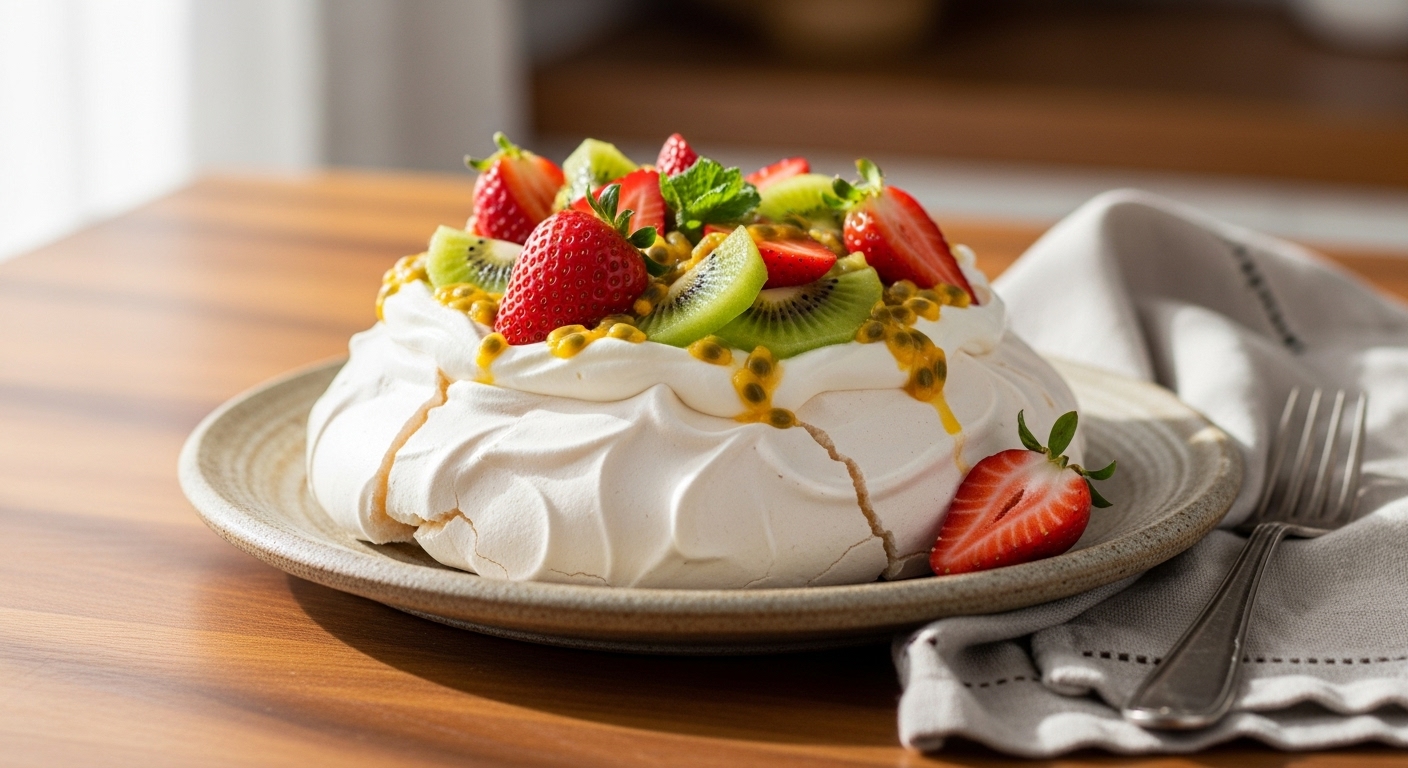
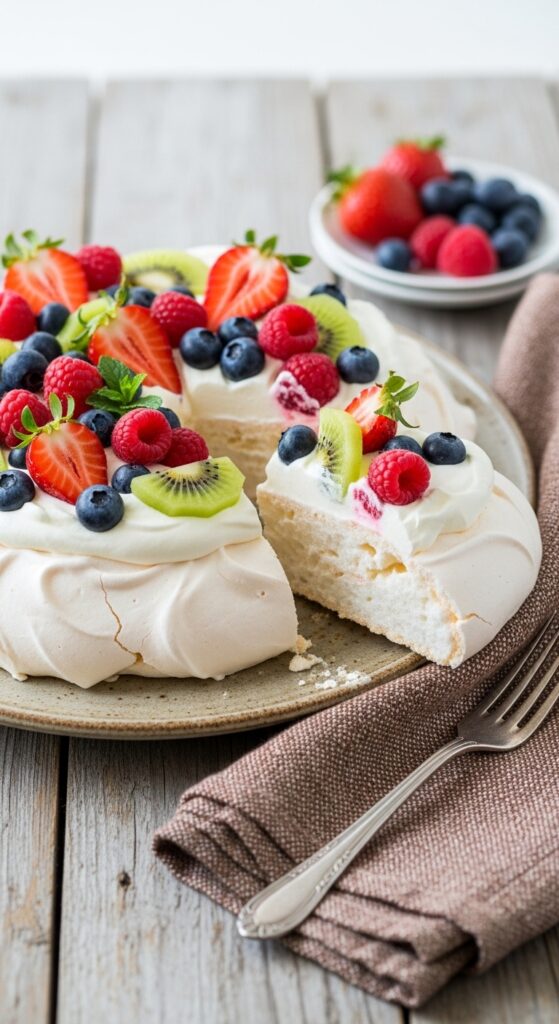
Ever had a dessert that makes you pause mid-bite and just… sigh? That, my friend, is the magic of pavlova. Crispy on the outside, soft and marshmallowy on the inside, topped with fresh fruit and cream it’s basically the dessert equivalent of a warm hug. Honestly, once you’ve nailed a pavlova, you’ll never look at meringue the same way again.
I remember my first attempt: I thought, “How hard can it be?” Fast forward two hours, a kitchen full of sugar dust, and a slightly charred disaster, I realized pavlova isn’t just dessert; it’s an experience. But don’t worry, I’m here to save you from my rookie mistakes and share everything you need to know to make a perfect pavlova every single time.
What Is Pavlova Anyway?
If you’re scratching your head thinking, “Is this French? Italian? Some fancy hybrid?” let me clarify. Pavlova is named after the legendary Russian ballerina Anna Pavlova, who toured Australia and New Zealand in the 1920s. Both countries claim the dessert, so pick your side, FYI.
In simple terms:
- Pavlova is a meringue-based dessert
- Crispy exterior, soft, marshmallowy interior
- Typically topped with fresh cream and fruit
It’s basically a blank canvas for dessert creativity. Want strawberries and kiwi? Go for it. Passionfruit and mango? Absolutely. Chocolate drizzle? Why not, we’re rebels here.
Why Make Pavlova at Home?
Sure, you could buy one at a bakery, but homemade pavlova? That’s next-level bragging rights. Plus:
- You control the sweetness: No random extra sugar.
- You get the freshest toppings: No sad, mushy fruit here.
- It’s a showstopper: Like, guests will Instagram it before they eat it.
Trust me, there’s nothing like slicing through a perfectly baked pavlova and seeing that soft, pillowy center. It’s like dessert nirvana.
The Secret to a Perfect Pavlova
Here’s the thing: pavlova looks intimidating, but once you know the key tricks, it’s way less scary than it seems.
1. Egg Whites Matter
Fresh eggs are your best friend. Seriously, don’t even think about old ones. Egg whites separate easier, whip fluffier, and stabilize better. I’ve tried skipping this step huge mistake. You end up with a sad, flat puddle instead of a cloud-like masterpiece.
Pro tip: Room temperature eggs whip better. So take them out of the fridge about 30 minutes before starting.
2. Sugar Is Not Optional
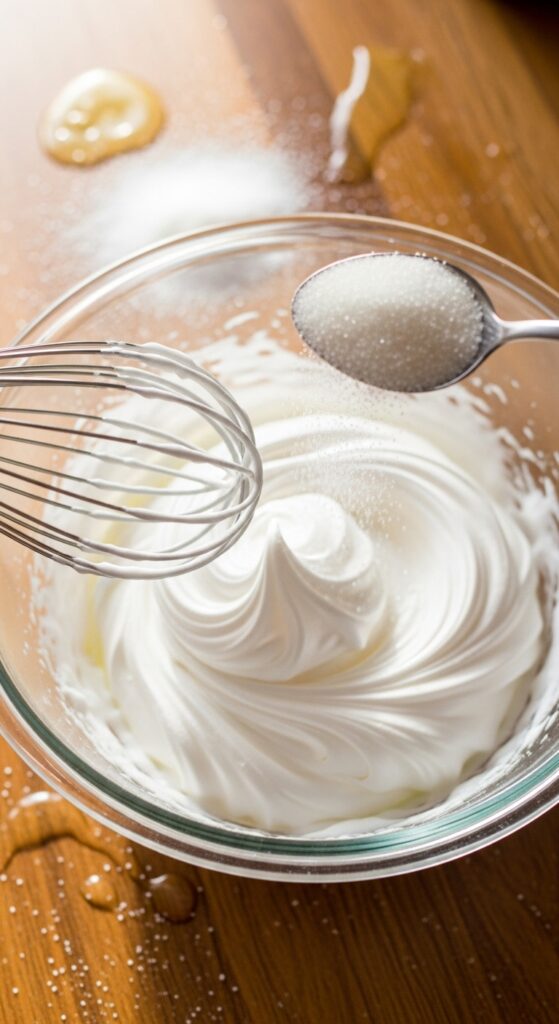
Yes, sugar is a must. And yes, it takes patience. Add it slowly, one tablespoon at a time, while whipping. Rushing this part = gritty meringue, which is basically the dessert equivalent of sandpaper.
3. Cornstarch and Vinegar Are Game-Changers
Adding cornstarch keeps the inside soft, while a dash of vinegar or lemon juice stabilizes the egg whites. Together, they make that signature crisp-yet-marshmallow texture. I promise, your first bite will make you say, “Why didn’t anyone tell me this sooner?”
4. Baking Low and Slow
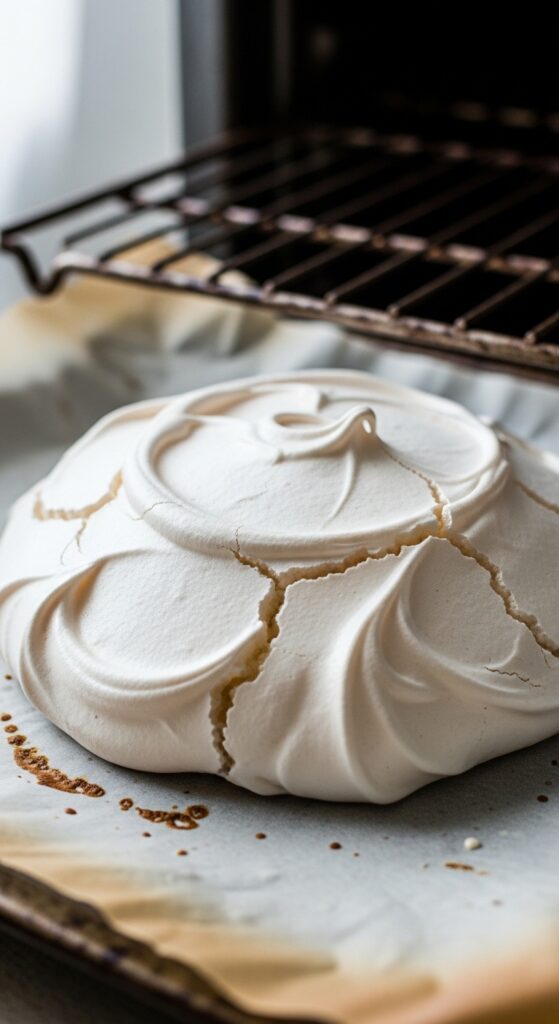
Pavlova is a patient person’s dessert. Bake at low temperatures (around 250°F / 120°C) for about 1–1.5 hours. Don’t rush it high heat = cracked or browned disaster. FYI, it can even sit in the oven to cool for a bit to avoid cracking.
Classic Pavlova Recipe
Here’s the classic version that never fails. Think of it as your go-to blueprint.
Ingredients:
- 4 large egg whites, room temp
- 1 cup superfine sugar
- 1 tsp cornstarch
- 1 tsp white vinegar or lemon juice
- 1 cup heavy cream, whipped
- Fresh fruit: strawberries, kiwi, passionfruit (or whatever you love)
Instructions:
- Preheat oven to 250°F (120°C) and line a baking sheet with parchment.
- Beat egg whites until soft peaks form.
- Gradually add sugar, a spoonful at a time, until glossy and stiff.
- Fold in cornstarch and vinegar gently.
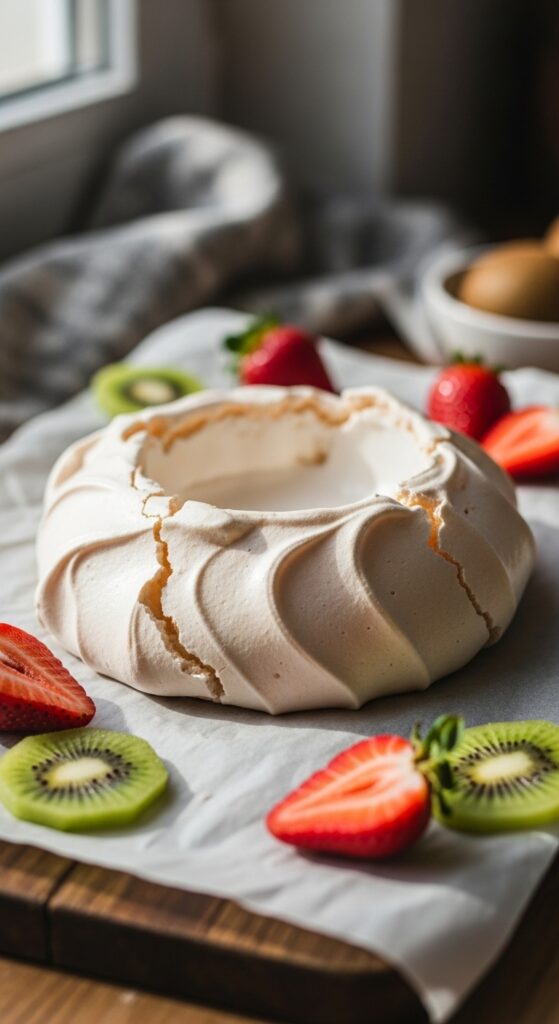
- Spoon onto parchment, shape into a round disc with slightly higher edges.
- Bake 1–1.5 hours. Turn off the oven and let it cool completely inside.
- Top with whipped cream and fruit. Serve immediately and bask in glory.
Fun Pavlova Variations
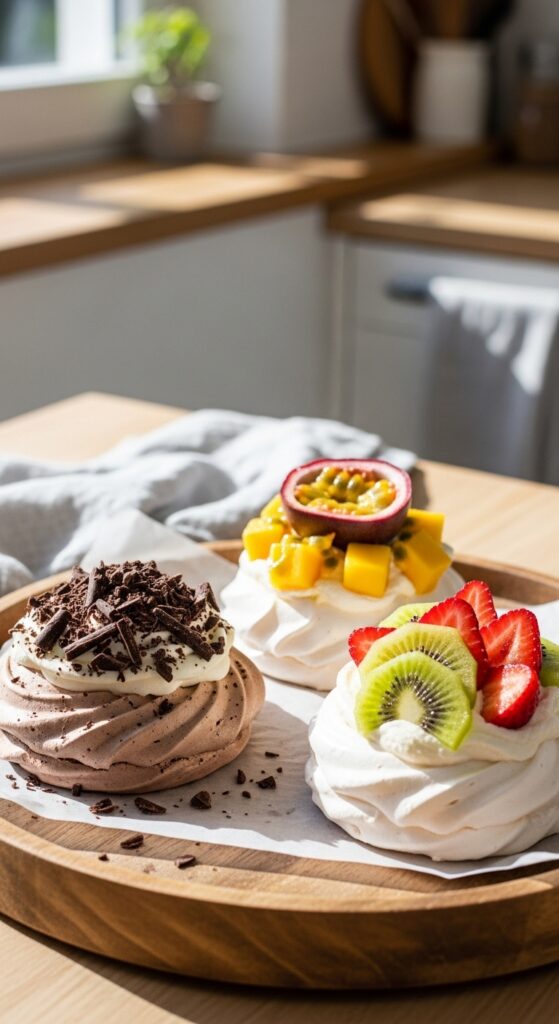
Why settle for classic when you can experiment? Here are some of my faves:
1. Chocolate Pavlova
- Add 2 tbsp cocoa powder to your meringue.
- Top with chocolate shavings or berries.
- FYI, it’s richer but still melts in your mouth.
2. Tropical Pavlova
- Mango, passionfruit, and pineapple are your friends here.
- Whipped cream can be lightly coconut-flavored.
- Bonus: It screams summer vibes, IMO.
3. Mini Pavlovas (for portion control… kind of)
- Spoon meringue onto a tray as small rounds.
- Bake and serve individually with cream and fruit.
- Perfect for parties. No sharing fights over the edges required.
Common Pavlova Mistakes (And How to Avoid Them)
Even seasoned bakers have fallen victim to these traps. Learn from my pain:
- Flat Pavlova: Usually means eggs weren’t whipped enough or sugar added too fast. Patience is key!
- Cracks everywhere: Could be oven too hot or sudden temperature change. Let it cool in the oven.
- Soggy center: Not enough cornstarch or toppings added too early. Always assemble just before serving.
Topping Ideas That Elevate Pavlova
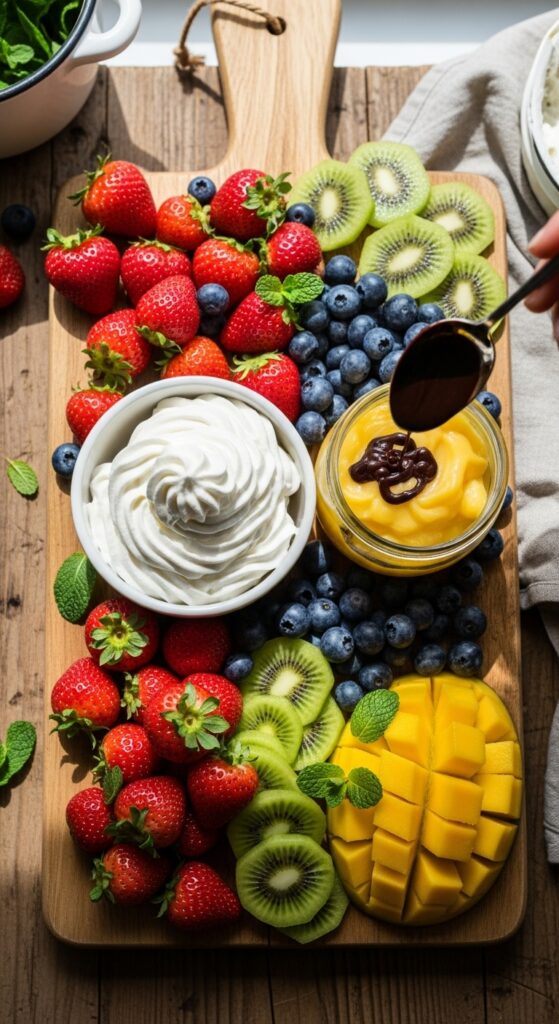
While the meringue is the star, toppings make it a showstopper.
Fruit:
- Berries (strawberries, blueberries, raspberries)
- Tropical fruits (mango, kiwi, passionfruit)
- Stone fruits (peaches, plums)
Sauces & Extras:
- Chocolate or caramel drizzle
- Lemon curd
- Crushed nuts for crunch
Pro tip: Balance sweetness with a bit of tangy fruit. Otherwise, you’ll end up in sugar overload town.
Storing and Serving Pavlova
Pavlova is happiest fresh, so plan to serve it within a few hours.
- Store meringue shell separately in an airtight container for up to 2 days.
- Whipped cream stays best in the fridge for a few hours.
- Assemble right before serving to keep the crisp exterior intact.
Honestly, nothing ruins a perfect pavlova faster than soggy meringue. Ask me how I know 😅.
Pavlova vs. Other Desserts
Curious how pavlova stacks up against other popular sweets? Let’s break it down:
| Dessert | Texture | Sweetness | WOW Factor |
| Pavlova | Crispy & fluffy | Medium | High |
| Cheesecake | Creamy & dense | High | Medium |
| Chocolate Cake | Soft & rich | High | Medium |
| Fruit Tart | Crunchy & fruity | Medium | High |
See what I mean? Pavlova hits that crispy/fluffy sweet spot that most desserts struggle with.
Quick Tips for Pavlova Success
- Always use a clean, grease-free bowl for whipping whites. Even a hint of fat = no peaks.
- Superfine sugar dissolves faster, giving a smoother meringue.
- Avoid opening the oven during baking. Patience, young grasshopper.
- Don’t overdo the toppings. Pavlova is delicate, not a dumping ground for fruit.
Fun Pavlova Trivia
- Australians and New Zealanders fight over the “official origin” like it’s the dessert Olympics.
- Anna Pavlova, the ballerina, probably never imagined a dessert named after her would cause so much debate.
- Pavlova shells can double as a meringue base for other desserts. Who knew, right?
FAQs
Q: Can I make pavlova gluten-free?
A: Absolutely! Meringue is naturally gluten-free. Just check toppings if you’re adding any packaged goodies.
Q: Why did my pavlova crack?
A: Oven too hot, too much air, or rapid cooling. Keep it low and slow, and let it cool inside.
Q: Can I make pavlova ahead of time?
A: You can prep the meringue shell in advance, but assemble with cream and fruit just before serving. Fresh is best.
Final Thoughts
Pavlova isn’t just a dessert it’s an experience. From the satisfying snap of the outer shell to the pillowy soft inside, topped with vibrant fruit, it’s the kind of dessert that makes people stop mid-conversation and say, “Wow.”
Whether you stick to the classic recipe or experiment with tropical, chocolate, or mini versions, remember: patience, precision, and a little playfulness are your best friends. FYI, a little trial and error is part of the fun, and trust me, the taste makes up for any mishaps along the way.
So grab some eggs, sugar, and a whisk. Let’s make a pavlova that’s not just dessert but a statement. And hey, if it cracks a bit? Call it “rustic charm” and post it online. 😎