Homemade Borscht Soup: Rich, Hearty & Comforting
Let’s talk about borscht soup, the vibrant bowl of comfort that looks dramatic, tastes amazing, and somehow still scares people who think “beet soup” sounds weird. I used to fall into that skeptical camp too. Then one spoonful completely changed my opinion, and now I honestly crave the stuff like a late-night snack. Ever had a dish surprise you so hard that you wondered why you doubted it in the first place?
Borscht delivers that exact experience. It hits you with color, depth, warmth, and a flavor that feels far richer than its simple ingredient list suggests. People often assume it tastes earthy or overly “vegetable-y,” yet a good borscht balances sweetness, acidity, and savory richness in a way that feels almost addictive. Curious why this humble soup built such a loyal fan base across generations and countries?
What Exactly Is Borscht Soup?
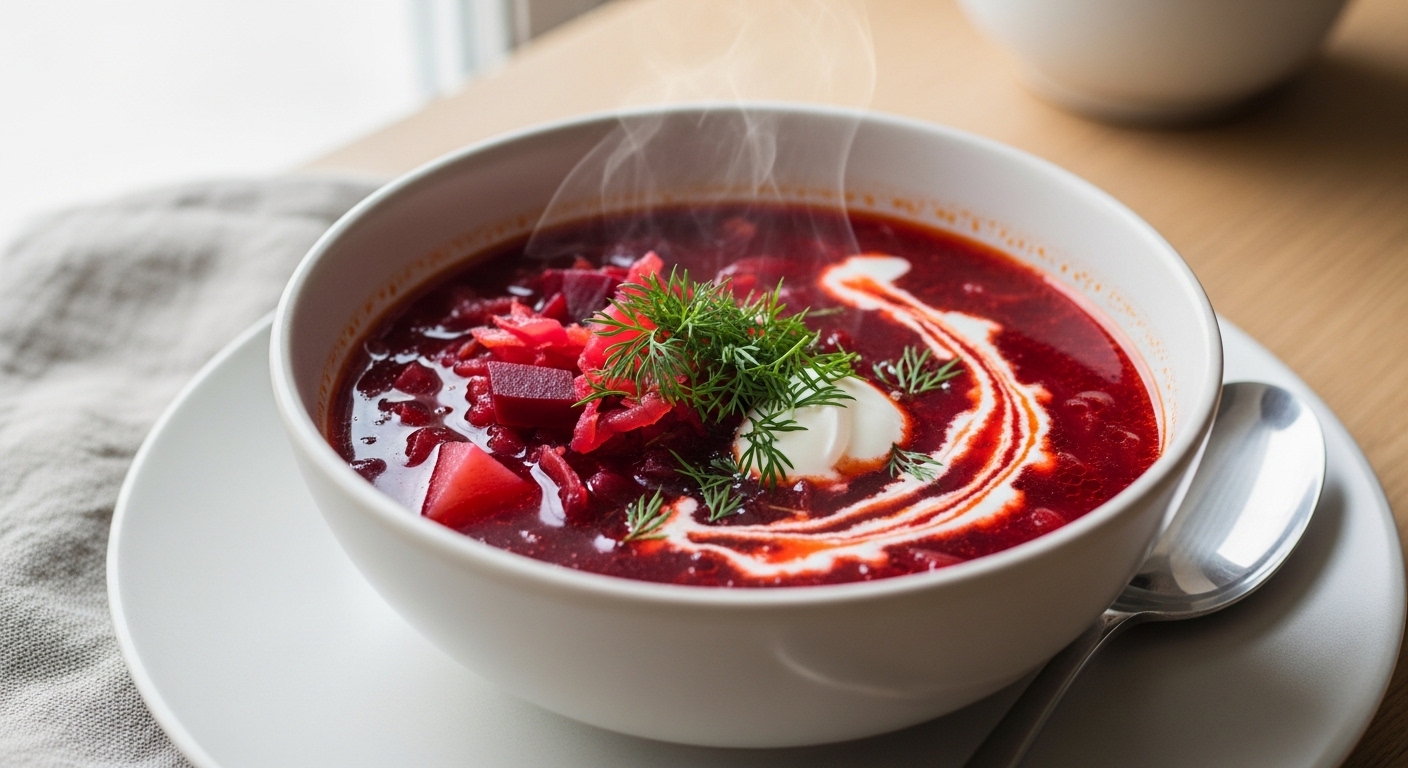
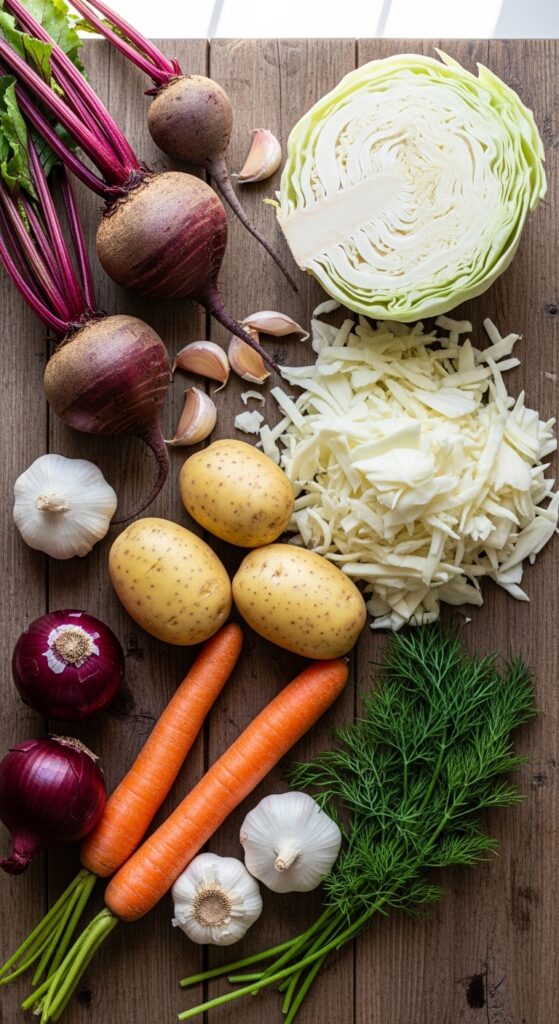
Borscht stands as a traditional Eastern European soup that features beets as the star ingredient. Those beets create the signature deep red color that makes the soup instantly recognizable. Unlike many vegetable soups, borscht doesn’t taste bland or watery. The dish packs layers of flavor that evolve with every bite.
Different regions prepare borscht in slightly different ways. Some cooks add meat for richness, while others keep things vegetarian. Many recipes include cabbage, potatoes, onions, garlic, and herbs to round out the profile. Sounds simple, right?
Yet simplicity often hides brilliance. The ingredients work together rather than compete. The beets provide sweetness, the broth adds body, and the acidity keeps everything lively. Ever noticed how the best comfort foods rarely rely on fancy tricks?
Why Does Borscht Have Such a Bold Color?
Let’s address the obvious visual drama. Borscht’s color comes directly from beets, not artificial coloring or culinary wizardry. Beets contain natural pigments called betalains, which deliver that intense ruby shade. When cooked, those pigments transform the entire broth.
That color does more than look pretty. It signals the soup’s flavor identity before you even taste it. You expect something rich and distinctive, and borscht absolutely delivers. Ever felt oddly excited by a dish just because it looked gorgeous?
I definitely have. A steaming bowl of borscht feels like edible art. It brightens a table, sparks curiosity, and makes even picky eaters pause. And yes, presentation absolutely influences appetite.
The Origins of Borscht Soup
Borscht carries deep cultural roots across Eastern Europe. Ukraine, Russia, Poland, and several neighboring countries all claim strong historical connections to the soup. Families pass recipes down through generations, often treating them like treasured heirlooms. Food traditions rarely inspire that level of loyalty without good reason.
Historically, borscht evolved as a practical, nourishing meal. Beets grew easily in colder climates, stored well, and provided essential nutrients. Cooks combined them with whatever vegetables and proteins they had available. That adaptability helped borscht spread widely.
Today, borscht represents more than just soup. It symbolizes heritage, home cooking, and comfort. Ever tasted a dish that instantly felt nostalgic even if you didn’t grow up with it?
The Flavor Profile: What Does Borscht Taste Like?
People often struggle to imagine the taste. Let’s clear that up. Borscht delivers a balanced mix of sweet, tangy, and savory notes. The beets contribute mild sweetness rather than overpowering earthiness. A touch of acidity adds brightness and prevents heaviness.
The broth usually carries a rich, satisfying body. Vegetables add texture and subtle depth. Garlic and herbs introduce gentle aromatics without dominating the bowl. Every spoonful feels layered and interesting.
A good borscht never tastes one-dimensional. You notice complexity without confusion. Ever wondered how a soup built from basic vegetables could feel so satisfying?
Key Ingredients That Define Borscht Soup
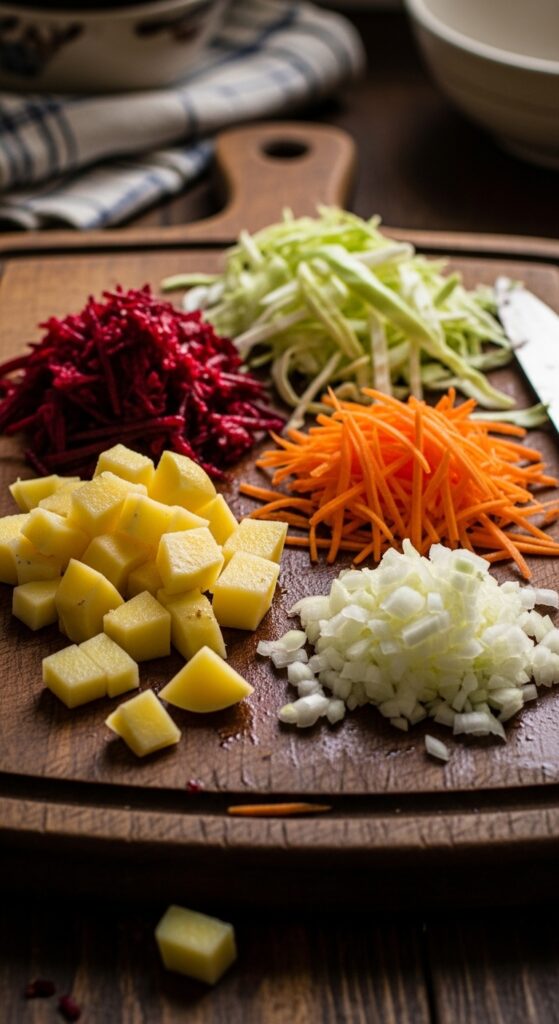
Let’s break down what typically goes into a classic version. Recipes vary, but several components appear consistently.
Common borscht ingredients include:
- Beets – Provide color, sweetness, and identity
- Cabbage – Adds texture and heartiness
- Potatoes – Contribute body and comfort
- Onions & Garlic – Build flavor foundation
- Carrots – Introduce subtle sweetness
- Broth or Stock – Creates depth and richness
- Acidic element – Often vinegar or lemon juice
- Fresh herbs – Dill frequently appears
Each ingredient serves a purpose. Nothing feels random or decorative. Ever noticed how great dishes rarely waste space on unnecessary elements?
Meat vs Vegetarian Borscht: Which Wins?
Ah, the friendly debate. Some cooks swear by meat-based borscht, while others defend vegetarian versions with equal passion. I’ve tried both, and honestly, each offers something special.
Meat-based borscht brings extra richness and a deeper savory backbone. Beef often appears in traditional recipes, delivering hearty satisfaction. The broth feels robust and intensely comforting.
Vegetarian borscht leans lighter yet still flavorful. The vegetables shine more clearly, and the soup feels refreshing rather than heavy. IMO, neither version “wins.” Your mood decides the champion.
Ever found yourself craving something light one day and intensely hearty the next?
How Borscht Soup Achieves Its Signature Balance
Flavor balance defines borscht’s magic. Without proper balance, the soup risks tasting overly sweet or dull. Skilled preparation ensures harmony between contrasting elements.
Cooks often add a small acidic component near the end of cooking. That step sharpens the flavors and enhances brightness. The sweetness from beets then feels pleasant rather than cloying. Seasoning adjustments refine the final taste.
This balance transforms borscht from “just beet soup” into something memorable. Ever tasted a dish where one tiny tweak completely elevated the experience?
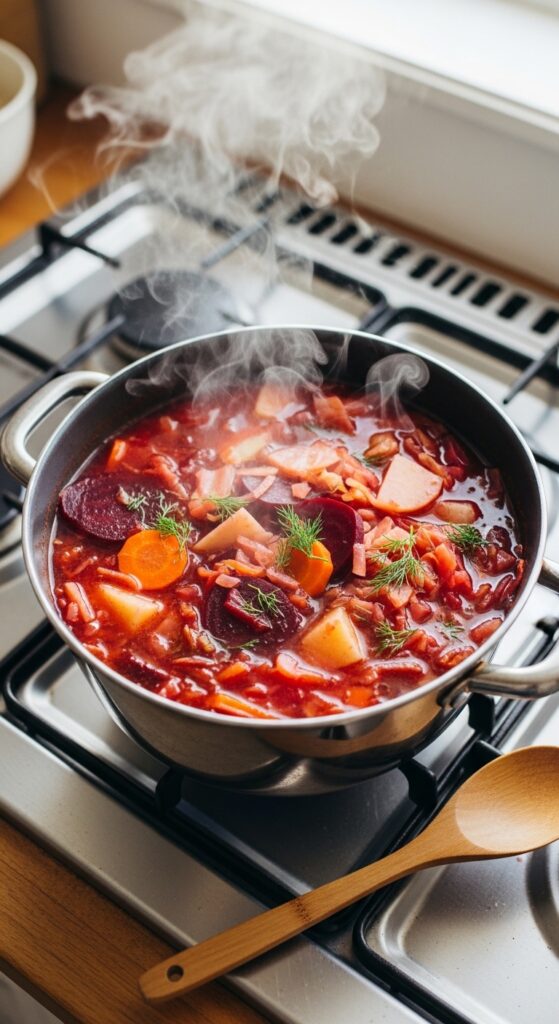
Cooking Borscht Soup at Home
Making borscht sounds intimidating, yet the process stays surprisingly approachable. You don’t need professional skills or exotic equipment. You just need patience and decent ingredients.
Preparing the Vegetables
Start by chopping your vegetables into consistent pieces. Uniform sizes help everything cook evenly. Grating or thinly slicing beets allows faster flavor release and color infusion. Precision matters here more than speed.
Take your time. Cooking should feel enjoyable, not stressful. Ever rushed a recipe and instantly regretted it?
Building the Flavor Base
Heat oil or butter in a pot. Add onions and garlic, then sauté until fragrant. This step lays the groundwork for the entire soup. Skip it, and your borscht loses depth.
Next, stir in carrots and beets. Let them soften slightly before adding broth. Those early moments shape the final flavor.
Simmering for Depth
Add potatoes, cabbage, and seasonings. Let everything simmer gently rather than aggressively boil. Slow cooking encourages flavors to meld beautifully. Rushing only sacrifices complexity.
Patience pays off big time here. FYI, borscht often tastes even better the next day.
Common Mistakes That Ruin Borscht Soup
Even simple recipes can go sideways. Several pitfalls frequently sabotage home cooks.
Watch out for these mistakes:
- Overcooking beets – Leads to dull flavor
- Skipping acidity – Results in flat taste
- Under-seasoning – Creates bland soup
- Boiling too hard – Breaks texture balance
- Ignoring tasting adjustments – Prevents refinement
Small errors produce noticeable consequences. Ever wondered why restaurant soups often taste richer than homemade versions? Attention to detail explains a lot.
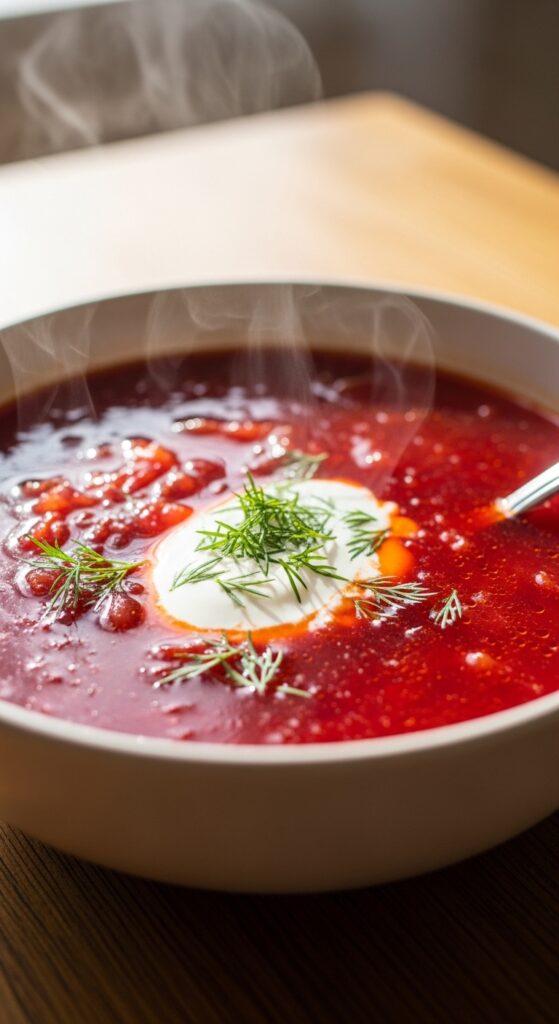
The Role of Sour Cream in Borscht Soup
Let’s address the iconic topping. Many people associate borscht with a generous dollop of sour cream, and for good reason. The creamy tang beautifully contrasts the soup’s sweet and savory notes.
Sour cream doesn’t just decorate the bowl. It actively reshapes the flavor experience. Each spoonful becomes smoother, richer, and slightly tangier. The temperature contrast also enhances enjoyment.
Of course, you can skip it. But honestly, why deny yourself extra deliciousness? 🙂
Nutritional Benefits of Borscht Soup
Borscht doesn’t just taste good. It also delivers impressive nutritional value. The soup combines multiple vegetables, each contributing essential nutrients.
Borscht often provides:
- Fiber from beets and cabbage
- Vitamins from diverse vegetables
- Antioxidants from beet pigments
- Hydration from broth base
- Moderate calories with high satiety
This nutrient density makes borscht both satisfying and wholesome. Ever appreciated a comfort food that didn’t leave you feeling guilty afterward?
Why Borscht Soup Feels So Comforting
Comfort stems from more than warmth. Borscht offers sensory richness, visual appeal, and layered flavor complexity. The soup feels hearty yet not overwhelming.
The combination of sweetness and acidity creates a uniquely pleasant sensation. Your palate stays engaged rather than fatigued. Texture variations add interest without distraction. Every element contributes harmony.
Comfort foods succeed when they soothe without boring. Borscht nails that balance effortlessly.
Variations of Borscht Soup Around the World
Borscht adapts beautifully across regions and preferences. Different cultures tweak ingredients while preserving core identity.
Ukrainian-Style Borscht
Ukrainian versions often emphasize depth and richness. Many recipes include meat, beans, and robust seasoning. The soup typically delivers a hearty, filling experience.
Russian-Style Borscht
Russian interpretations sometimes lean slightly lighter. The balance between sweetness and acidity often feels more pronounced. Fresh herbs frequently enhance brightness.
Modern Interpretations
Contemporary cooks experiment freely. Some add unusual vegetables, while others introduce spicy elements. Creativity keeps the dish evolving rather than stagnant.
Ever loved a classic dish that welcomed endless personalization?
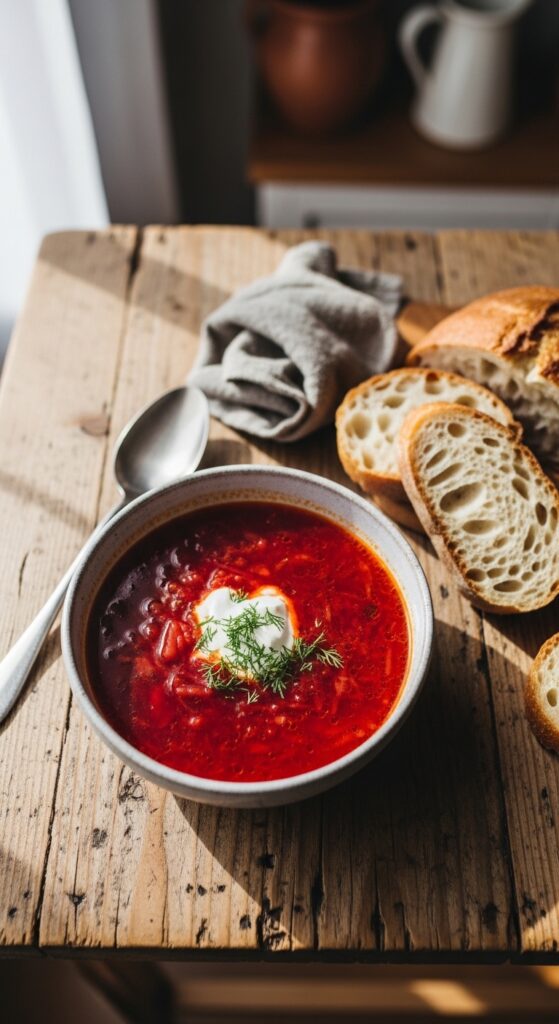
Serving Ideas That Elevate Borscht Soup
Borscht tastes fantastic alone, yet thoughtful pairings elevate the experience further.
Great companions include:
- Crusty bread for texture contrast
- Fresh herbs for brightness
- Sour cream or yogurt for richness
- Simple salads for freshness
- Savory pastries for indulgence
Pairings should complement rather than overpower. Balance always wins.
Storing and Reheating Borscht Soup
Borscht stores remarkably well. In fact, many people prefer leftover borscht because flavors continue developing over time. Proper storage preserves both taste and quality.
Refrigerate the soup in airtight containers. Reheat gently to avoid texture degradation. Avoid aggressive boiling during reheating. Simple care ensures excellent results.
Ever noticed how certain dishes improve after resting overnight?
Why Some People Hesitate to Try Borscht Soup
Let’s be honest. The idea of beet soup sounds unusual to many newcomers. Bright red liquid doesn’t exactly scream “comfort food” at first glance. Psychological bias plays a huge role here.
Yet hesitation often fades after the first taste. Flavor surprises skeptics. Texture feels familiar and welcoming. Complexity quickly replaces doubt.
Sometimes you just need culinary courage.
The Lasting Appeal of Borscht Soup
Borscht has survived centuries of culinary evolution. Trends came and went, yet this soup maintained devoted followers. That longevity says a lot.
The dish combines affordability, nutrition, adaptability, and flavor. Few recipes check all those boxes simultaneously. Cultural significance adds emotional resonance. Nostalgia strengthens attachment.
Classic dishes endure for good reasons.
Final Thoughts
Borscht soup offers far more than striking color. It delivers balance, comfort, depth, and genuine satisfaction. The dish rewards curiosity and open-mindedness with surprising delight. Skepticism melts quickly once you taste a well-made bowl.
If you’ve never tried borscht, consider this your gentle nudge. Cook a batch, tweak it to your liking, and enjoy the experience. Who knows? You might join the enthusiastic fans who wonder why they waited so long.