Japanese Mounjaro Recipe: Cozy, Flavorful & Homemade
Okay, picture this: you’ve had a long day, and you want something warm, hearty, and full of umami without ordering takeout for the hundredth time this week. Ever heard of Japanese Mounjaro? No, it’s not a secret sushi roll or some bizarre new ramen trend though I wish it were. It’s actually a delicious Japanese-inspired stew that blends rich flavors, tender proteins, and comforting vegetables in a creamy, cozy base.
I stumbled across this dish a few years ago, and honestly, I was hooked from the first bite. The balance of sweet, savory, and earthy notes is unlike anything I’d tried before. FYI, it’s also surprisingly simple to make at home, even if your cooking skills are “meh” at best. So grab a pot and let’s get started I promise your taste buds will thank you.
What is Japanese Mounjaro?
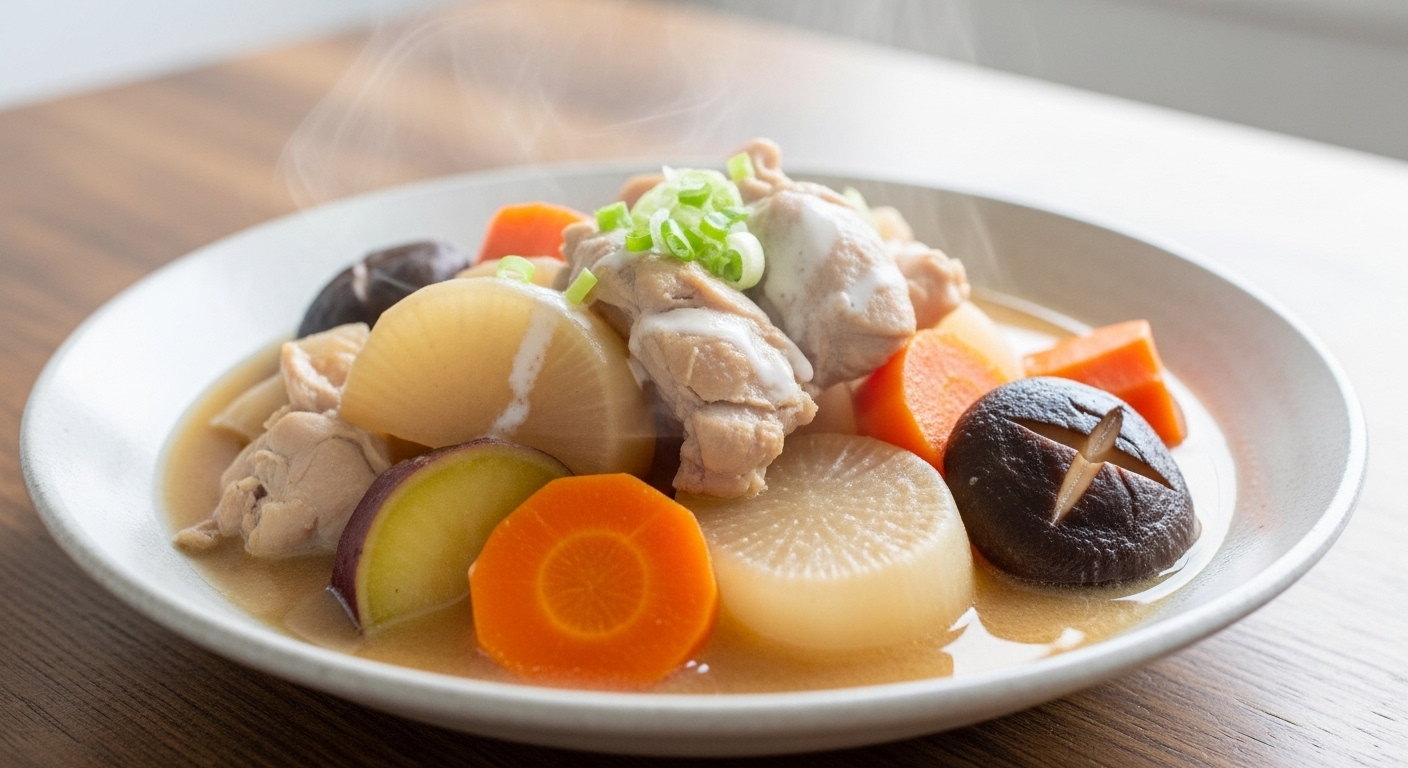
If you’re scratching your head and asking, “Wait… what is this exactly?” you’re not alone. Japanese Mounjaro is basically a hearty Japanese stew that’s got all the comfort of classic Japanese cuisine with a twist of modern flavor. Think tender chicken, pork, or beef simmered with root vegetables like daikon, carrots, and sweet potatoes, all bathed in a miso- and soy-based sauce that’s creamy, slightly sweet, and oh-so-satisfying.
I like to think of it as the Japanese answer to your grandma’s beef stew but way more flavorful and Instagram-worthy.
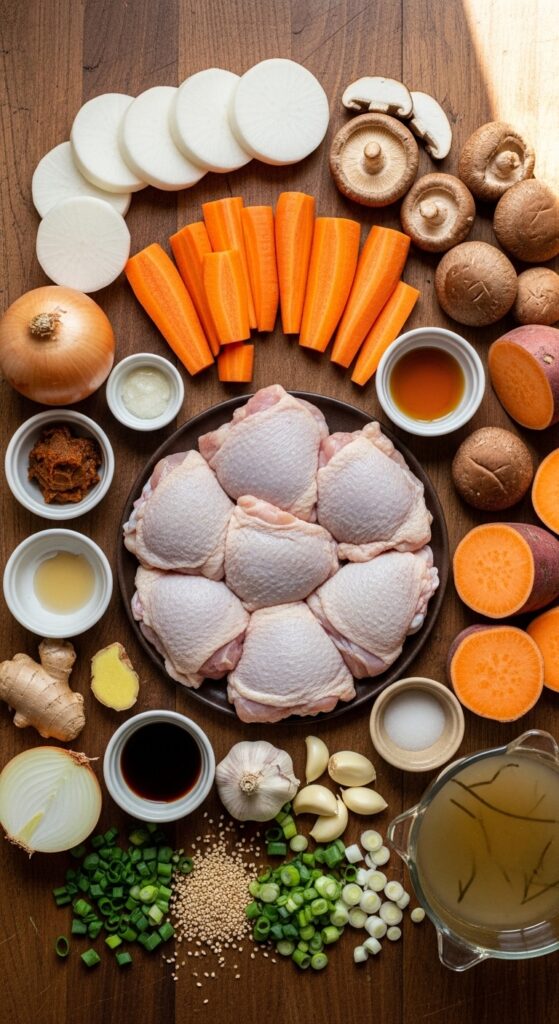
Ingredients You’ll Need
Here’s the scoop on what makes this dish sing. Don’t skimp fresh ingredients make a huge difference.
- Protein: Chicken thighs, pork belly, or firm tofu for a vegetarian twist. Chicken is forgiving and tender, IMO.
- Vegetables: Daikon radish, carrots, onions, and sweet potatoes. Bonus points if you can snag some fresh shiitake mushrooms.
- Sauce Base: White miso paste, soy sauce, mirin, and a bit of sake. These give it that authentic Japanese umami punch.
- Liquids: Dashi stock or chicken broth. Dashi adds that magical depth, but chicken broth works in a pinch.
- Herbs & Garnishes: Scallions, shichimi togarashi (optional for a slight kick), and sesame seeds for garnish.
- Extras: Garlic and ginger because without them, you might as well call it bland stew.
Pro tip: buy fresh, vibrant vegetables. Seriously, your Mounjaro will thank you.
Step-By-Step Cooking Instructions
Alright, don’t panic. This might sound fancy, but I’ll guide you like a friend standing next to the stove.
1. Prep Everything First
Chop your veggies, measure your sauces, and get your protein ready. This is called mise en place in chef-speak but honestly, I just call it saving myself from chaos.
2. Brown the Protein
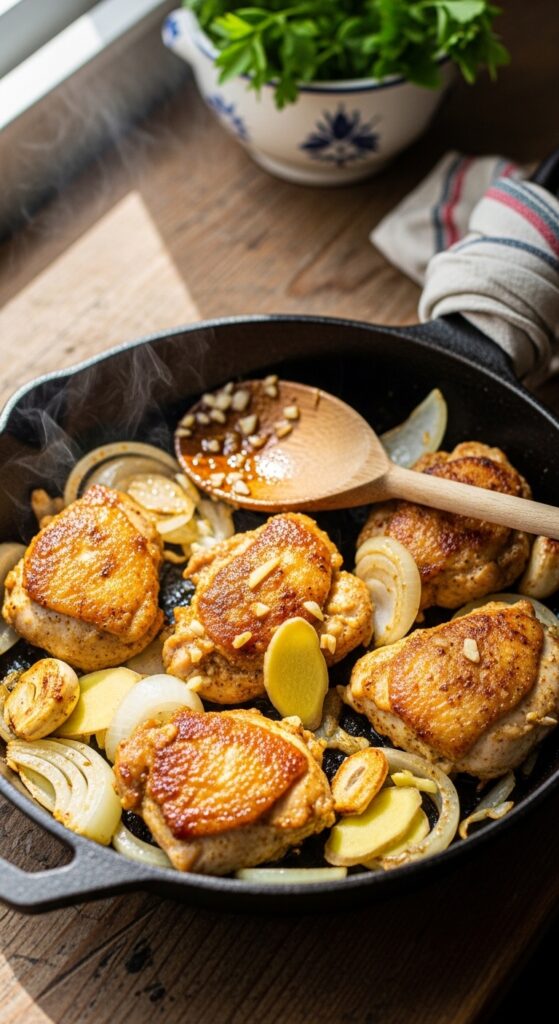
Heat a splash of oil in a deep skillet or saucepan. Sear your chicken or pork until golden brown on all sides. Don’t worry about cooking through this is all about flavor.
3. Sauté Aromatics
Toss in onions, garlic, and ginger. Cook until soft and fragrant. This is where your kitchen will start smelling dangerously good, FYI.
4. Add Vegetables
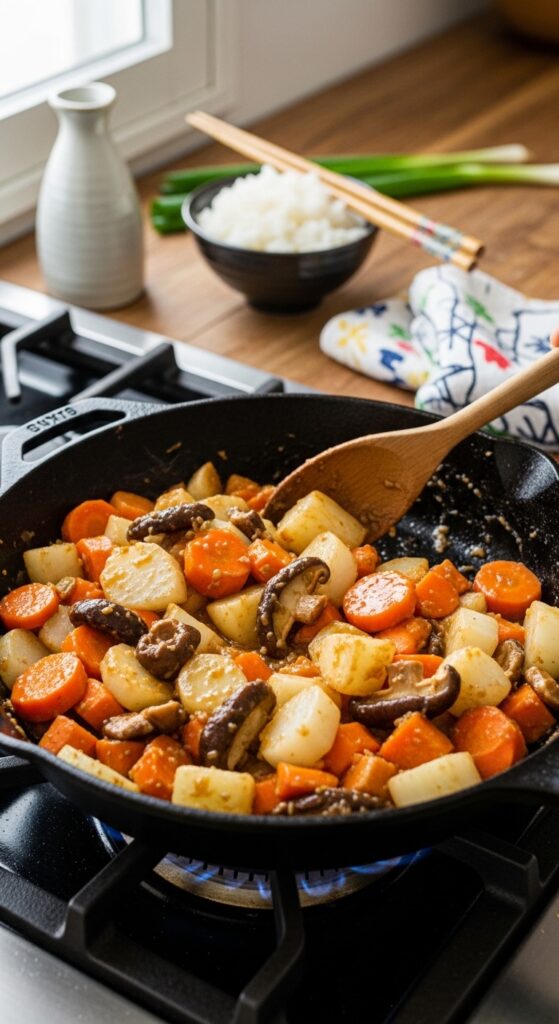
Now add your daikon, carrots, and sweet potatoes. Stir them around so they get lightly coated in all the garlicky, ginger-y goodness.
5. Build the Sauce
Mix in miso paste, soy sauce, mirin, and a little sake. Pour in your stock and stir until everything’s blended. Return your protein to the pan.
6. Simmer Gently
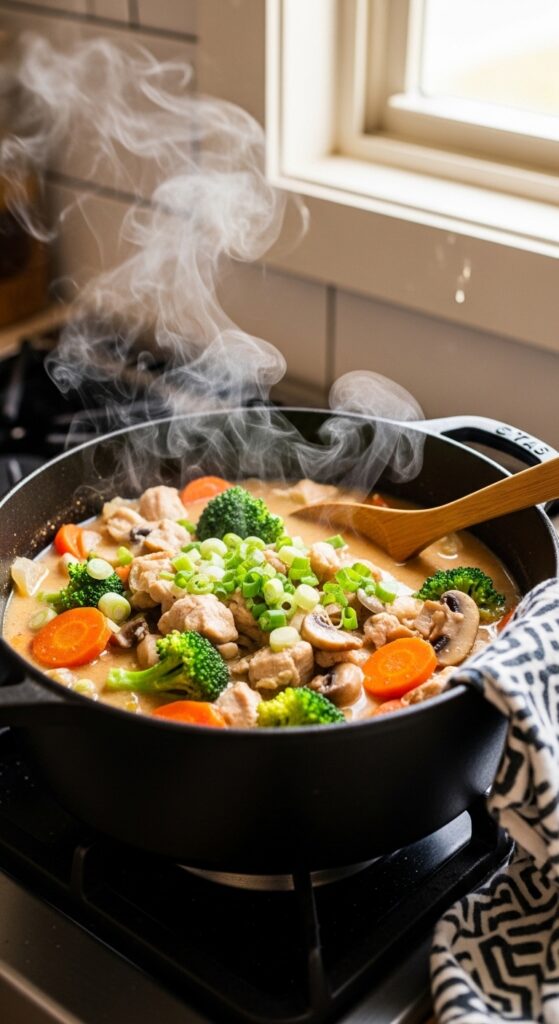
Bring it to a gentle boil, then reduce the heat and simmer for 25–35 minutes, until vegetables are tender and the protein is cooked through. Don’t rush this step patience pays in flavor.
7. Finish and Garnish
A sprinkle of scallions, sesame seeds, and a pinch of shichimi togarashi makes it look as amazing as it tastes. Taste and adjust salt or soy sauce if needed.
Tips for the Perfect Japanese Mounjaro
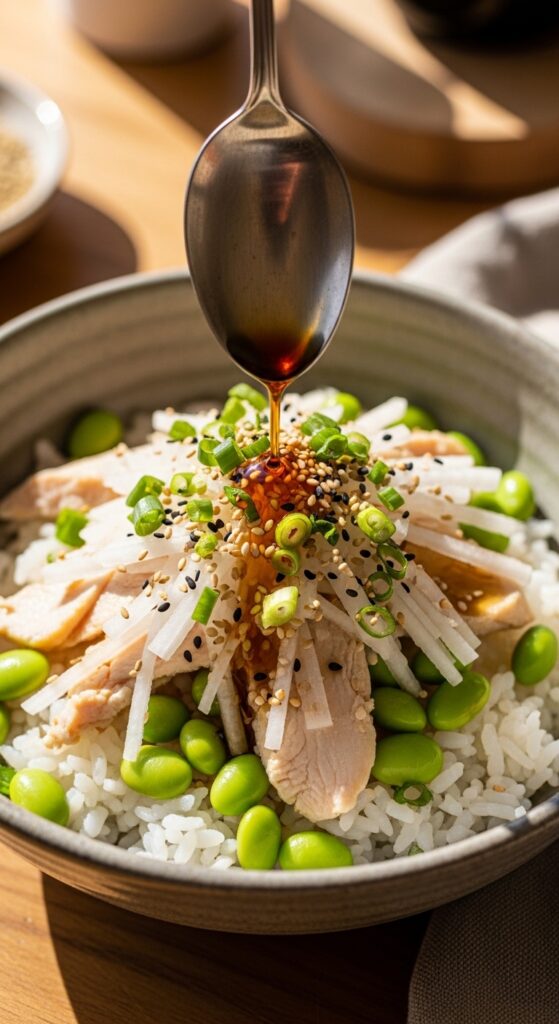
I’ve made plenty of mistakes in the kitchen, so here’s my cheat sheet for perfection:
- Don’t skip searing the meat. Browning adds depth you can’t fake.
- Layer flavors. Add a bit of miso early, a bit later this builds complexity.
- Use dashi if possible. It’s subtle but magical. Chicken stock works, but trust me, dashi makes it next-level.
- Simmer, don’t boil. A rolling boil = tough protein and mushy veggies.
- Garnish last. Fresh scallions and sesame seeds make the dish pop visually and flavor-wise.
Variations You Can Try
Feeling adventurous? Japanese Mounjaro is surprisingly versatile.
- Seafood Version: Swap chicken for shrimp or firm white fish. Adds delicate flavor and cooks faster.
- Vegetarian Delight: Double the veggies, toss in tofu or tempeh, and use vegetable stock. Still hearty and satisfying.
- Extra Umami: Add dried shiitake mushrooms or a spoon of miso at the end. Mind-blowing depth.
- Spicy Twist: Sprinkle shichimi togarashi or a dash of chili oil for heat.
IMO, start classic, then play around. Trust me, experimentation is half the fun.
Serving Suggestions
You might wonder: “How do I eat this masterpiece?”
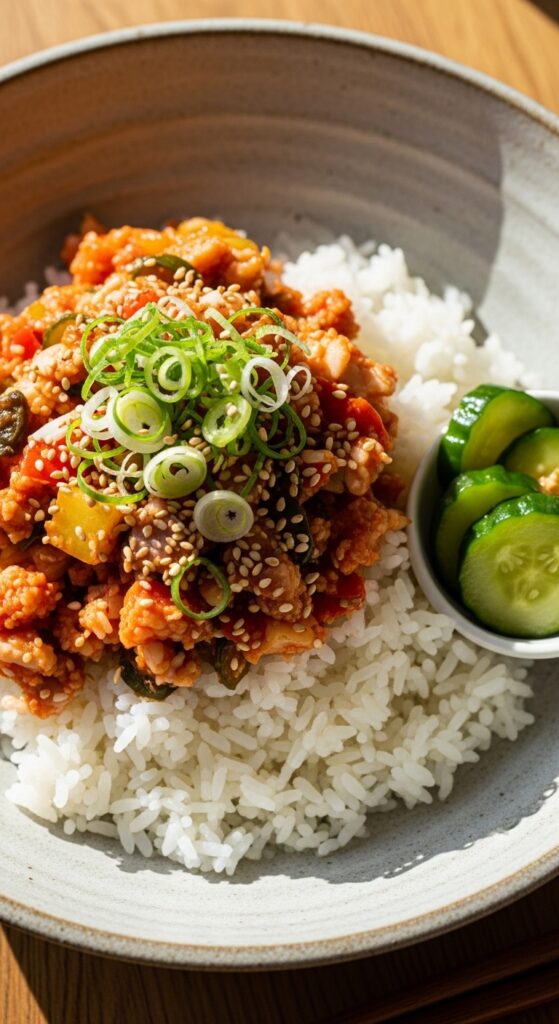
- Over Rice: Fluffy white or jasmine rice absorbs the sauce beautifully.
- With Noodles: Soba or udon noodles for a more filling meal.
- As a Soup: Add extra broth and enjoy it Japanese-style in a bowl with a spoon.
FYI, leftovers are even better. Letting it sit overnight lets the flavors deepen.
Common Mistakes to Avoid
Even I mess this up sometimes. Avoid these:
- Overcooking protein: Makes it dry. Check doneness gently.
- Ignoring seasoning: Miso is salty, but a little extra soy or salt might be needed.
- Skipping aromatics: Garlic and ginger are essential for flavor depth.
- Rushing simmering: Slow simmer = tender, flavorful veggies and protein.
Why Japanese Mounjaro Is Worth Making
So why bother? Here’s why this dish earns a permanent spot in my rotation:
- Umami overload: The combination of miso, soy, and dashi hits all the savory notes.
- Customizable: Protein, veggies, spice level you decide.
- Comfort food: Cozy, warming, and satisfying, especially on cold nights.
- Impress guests: Looks complicated but is easy enough for a weekday dinner.
Honestly, every time I make it, I feel like I deserve a little chef’s hat.
Fun Facts About Japanese Cuisine
Since we’re cooking Japanese-style, a few tidbits:
- Miso paste has been a staple in Japan for centuries. It’s fermented, rich, and packs serious flavor.
- Dashi stock is basically the secret sauce of Japanese cuisine—tiny amounts transform dishes.
- Shichimi togarashi is a 7-spice blend that adds a subtle kick and aroma. Great for final garnishing.
Japanese dishes focus on balance: texture, color, taste, and presentation. Mounjaro is no exception.
FAQs
Is it spicy?
Not by default, but shichimi togarashi or chili oil can change that. Customize to taste.
Can I make it ahead?
Absolutely! Flavors meld beautifully overnight. Reheat gently.
What sides go best?
Rice, noodles, or even steamed greens. I love pairing it with lightly pickled cucumbers for contrast.
Can I freeze it?
Yes, protein and veggies hold up well. Just thaw slowly in the fridge before reheating.
My Personal Experience
I’ll admit, the first time I tried Japanese Mounjaro, I slightly burned the ginger. But even that version was phenomenal. Each time I make it now, I tweak the miso, add extra mushrooms, and sometimes a splash of sake for depth. It’s that kind of recipe that grows on you it’s cozy, flexible, and ridiculously tasty.
And honestly, making it feels like a small culinary adventure in your kitchen. Even if your prep area looks like a tornado hit, the end result is worth every minute.
Final Thoughts
Alright, here’s the takeaway: Japanese Mounjaro is cozy, flavorful, and versatile. It’s a dish that works for weeknight dinners, weekend feasts, or even impressing friends without breaking a sweat.
Remember these key points:
- Prep everything ahead of time.
- Sear your protein for flavor depth.
- Layer your miso and simmer gently.
- Garnish last for a visually stunning, tasty finish.
So grab your ingredients, heat that pan, and get ready to impress yourself (and anyone lucky enough to share it with you). Who knew a cozy Japanese stew could feel like a gourmet experience in your own kitchen?