Japanese Pink Salt Recipe: Easy Homemade Seasoning
Let me guess. You saw someone mention a Japanese pink salt recipe, your curiosity kicked in, and now you’re wondering whether this is a legit culinary gem or just another internet trend with fancy words. I totally get it. The first time I heard about it, I raised an eyebrow too. Pink salt? Japanese twist? Ritual vibes? Sounds suspiciously like something that requires a handcrafted wooden bowl and years of meditation training, right?
Relax. This recipe stays beautifully simple, surprisingly practical, and honestly kind of addictive once you try it. I’ve played around with variations, tested different ingredient ratios, and yes I’ve messed it up enough times to save you from rookie mistakes. So grab your favorite drink, settle in, and let’s talk about why this tiny ingredient combo actually deserves your attention.
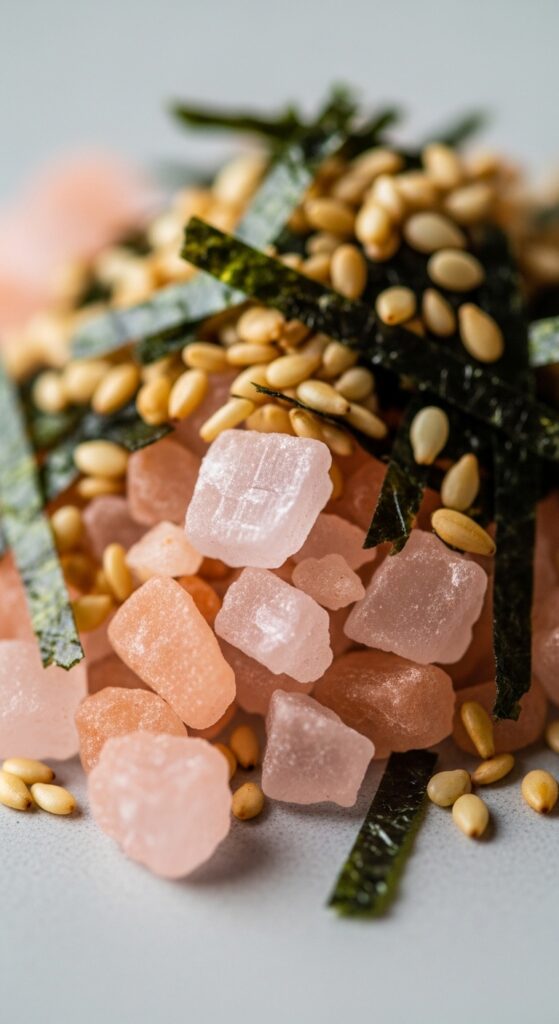
What Exactly Is a Japanese Pink Salt Recipe?
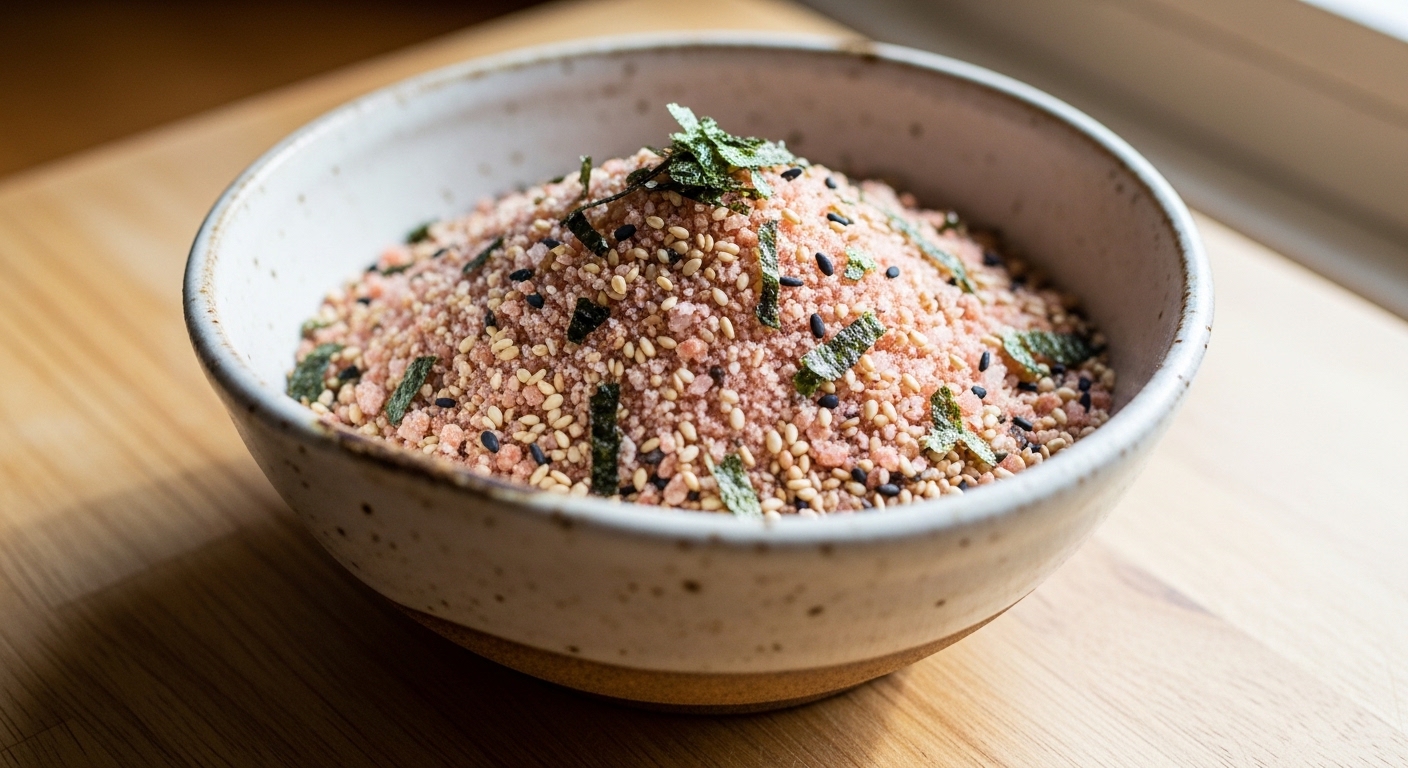
At its core, a Japanese pink salt recipe blends high-quality pink salt with classic Japanese flavor elements. The magic comes from balance, not complexity. You don’t need exotic kitchen gadgets or rare ingredients flown in from Tokyo. You just combine mineral-rich pink salt with umami-packed seasonings that Japanese cuisine absolutely nails.
Think of it less like a complicated dish and more like a flavor booster. You sprinkle it on rice, vegetables, grilled foods, or even snacks. The result tastes subtle, layered, and strangely satisfying. Ever noticed how Japanese cooking often feels delicate yet deeply flavorful? That same philosophy drives this recipe.
Why Pink Salt Plays Such a Big Role
Pink salt isn’t just pretty. It actually changes how food tastes. Regular table salt often hits your tongue like a loudspeaker. Pink salt feels smoother, softer, and slightly more complex. I don’t say that to sound dramatic your palate genuinely notices the difference.
Pink salt usually contains trace minerals, which influence taste and texture. When you pair that with Japanese ingredients known for umami, things get interesting fast. Instead of harsh saltiness, you get depth. Instead of overpowering flavor, you get balance. And honestly, balance wins every time in cooking.
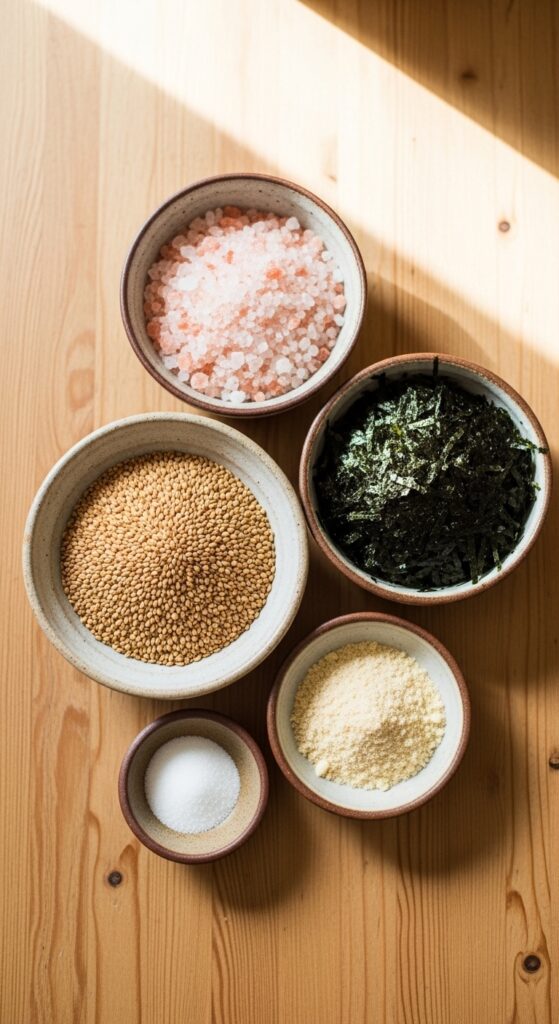
Key Ingredients That Make This Work
Let’s keep this realistic and kitchen-friendly. A good Japanese pink salt seasoning mix relies on accessible ingredients that still deliver authentic flavor.
Core Components:
- Pink Himalayan Salt – The star of the show. Choose fine or medium grind.
- White Sesame Seeds – Adds nutty aroma and texture.
- Nori Flakes – Brings subtle ocean-like umami.
- Garlic Powder – Optional but incredibly effective.
- Sugar (tiny amount) – Balances saltiness like magic.
You might glance at this list and think, “That’s it?” Yep. No culinary fireworks needed. Japanese flavor logic often focuses on enhancing ingredients rather than drowning them.
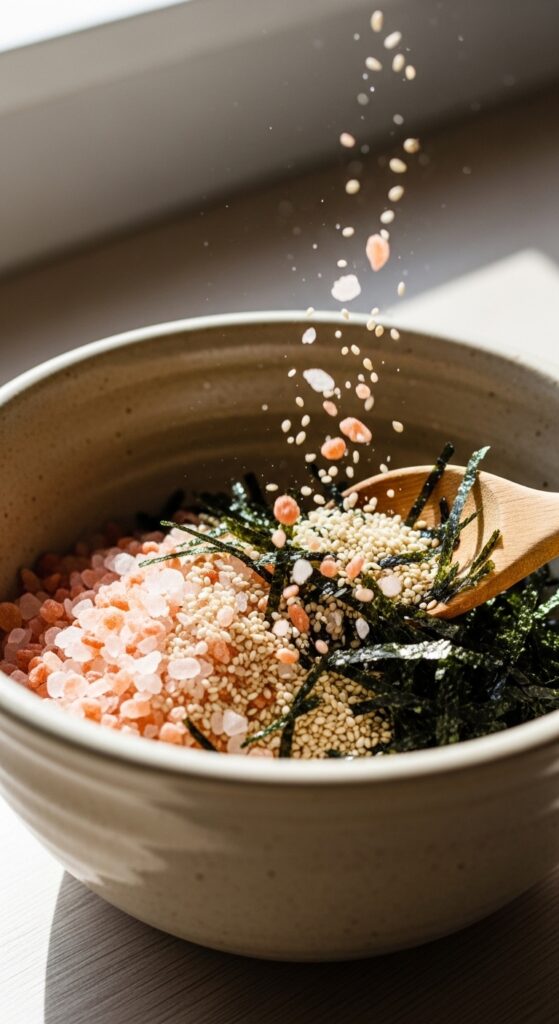
The Basic Japanese Pink Salt Recipe
Alright, let’s actually build this thing. You won’t break a sweat here.
Step-by-Step Blend
- Measure 2 tablespoons of pink salt into a bowl.
- Add 1 tablespoon toasted sesame seeds.
- Mix in 1 teaspoon nori flakes.
- Sprinkle ¼ teaspoon garlic powder if you like mild savory warmth.
- Add a small pinch of sugar to round everything out.
- Stir thoroughly until evenly combined.
That’s your base seasoning. No drama, no stress. You now hold a surprisingly versatile Japanese-inspired salt blend.
Why This Combination Tastes So Good
Flavor science might sound boring, but stick with me for a second. Salt amplifies taste. Sesame seeds introduce warmth and nuttiness. Nori layers in gentle umami. Sugar smooths sharp edges. Together, they create something that tastes bigger than the ingredient list suggests.
Have you ever eaten plain rice with furikake seasoning? That same addictive quality appears here, just simplified. The blend doesn’t scream for attention. It quietly upgrades whatever it touches. And honestly, subtle upgrades often beat loud flavors.
Choosing the Right Pink Salt Matters
Not all pink salts behave the same way. Some taste clean and crisp. Others lean slightly metallic. I learned this the hard way after buying the cheapest option once. Big mistake. The seasoning tasted oddly flat, almost dusty. Lesson learned.
Look for these qualities:
- Fine texture for even mixing
- No added anti-caking agents
- Clean, mild aroma
- Consistent color
Better salt genuinely improves the final blend. Tiny ingredient lists leave no room for low-quality components.
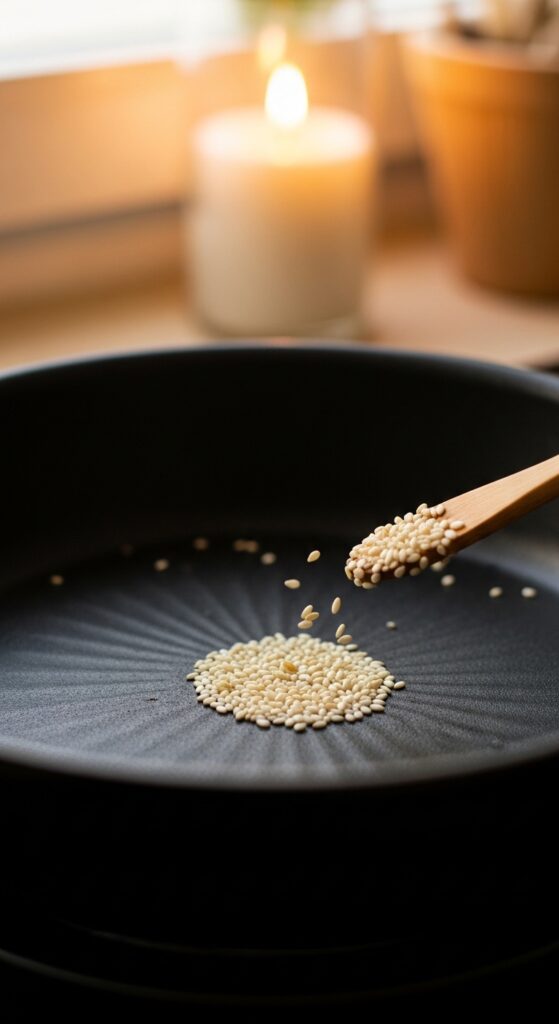
Toasted vs Untoasted Sesame Seeds
This tiny choice creates a noticeable difference. Untoasted sesame seeds taste mild and almost neutral. Toasted seeds release oils, deepen aroma, and add warmth. I always recommend toasting unless you enjoy blandness, which I highly doubt.
To toast them, heat a dry pan for about a minute. Stir constantly. Remove once they turn slightly golden and fragrant. Easy win. Huge flavor upgrade.
Variations You Can Play With
Once you master the base mix, you can tweak endlessly. This recipe practically invites experimentation.
Savory-Forward Version
- Increase nori flakes
- Add a pinch of mushroom powder
- Skip sugar
Sweet-Salty Twist
- Add slightly more sugar
- Mix in crushed roasted nuts
- Keep garlic minimal
Spicy Kick Blend
- Sprinkle chili flakes
- Add shichimi-style heat
- Maintain sesame balance
Small adjustments shift flavor personality without complicating the process. IMO, that’s the fun part of cooking.
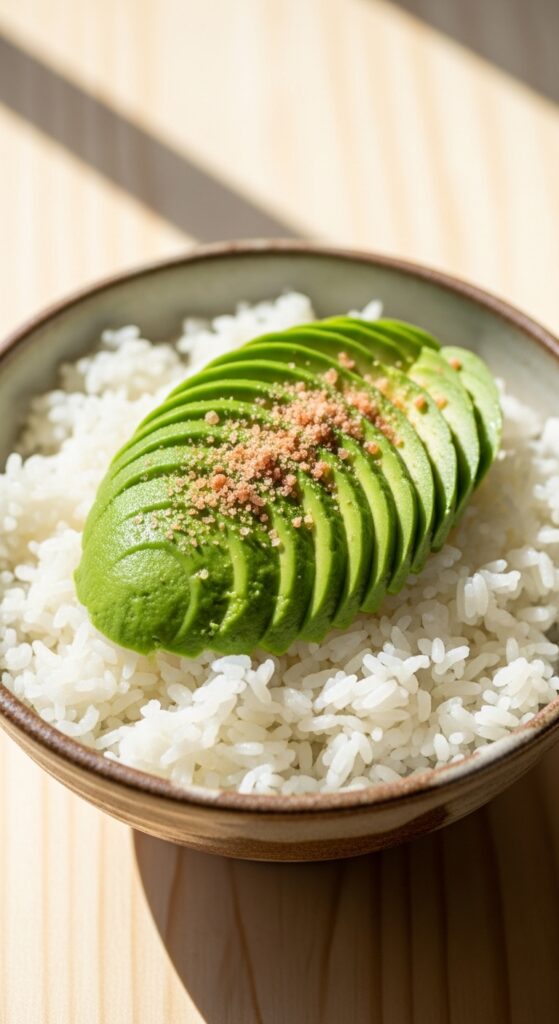
Best Ways to Use Japanese Pink Salt
Now comes the rewarding part actually eating things with it. This seasoning works with surprising versatility.
Perfect Pairings:
- Steamed rice or onigiri
- Avocado slices
- Roasted vegetables
- Grilled chicken or fish
- Fresh cucumber snacks
I once sprinkled it over plain scrambled eggs out of curiosity. Unexpectedly fantastic. Ever tried seasoning experiments that made you question why you didn’t do that sooner? Same energy here.
Why This Recipe Feels So Addictive
Balanced seasoning triggers repeat cravings. Too salty overwhelms. Too bland disappoints. This mix lands comfortably in the middle. The sesame aroma, light umami notes, and gentle salinity keep your palate engaged without fatigue.
That’s a huge deal. Many seasoning blends taste exciting for two bites, then exhaust you. This one stays friendly, which explains why it fits everyday meals so well.
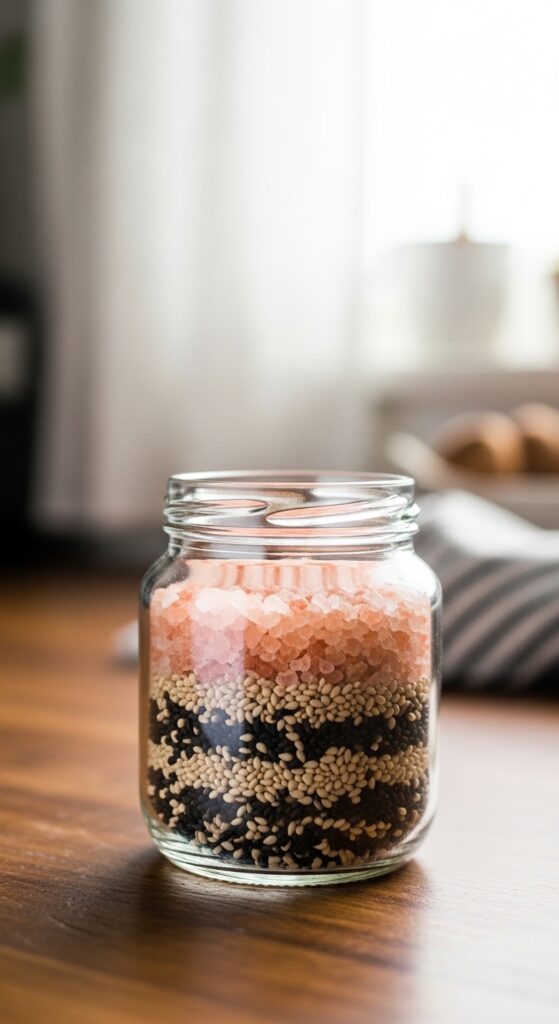
Storage Tips That Preserve Freshness
Sesame seeds contain oils. Oils eventually go rancid. Nobody wants sad, stale seasoning. Proper storage protects flavor and aroma.
Smart storage habits:
- Use an airtight container
- Keep away from heat and light
- Avoid moisture exposure
- Consume within a few weeks
Fresh blends always taste brighter. I mix small batches regularly instead of storing giant quantities. Simple strategy, better results.
Common Mistakes That Ruin the Blend
Let’s save you from avoidable disasters. Tiny recipes leave little room for error.
Frequent problems:
- Using coarse salt that doesn’t mix well
- Skipping sesame toasting
- Adding too much nori
- Overloading garlic powder
- Forgetting balance
Seasoning success relies on restraint. You build harmony, not chaos.
Health Perception vs Reality
Pink salt often receives a “health halo.” Yes, it contains minerals. No, it isn’t magical. It still functions as salt. Moderation still matters. Balance still matters.
The real advantage here lies in flavor experience. When seasoning tastes richer, you often use less. That’s a practical benefit, not a miracle claim.
Why Japanese Flavor Philosophy Fits Perfectly
Japanese cuisine emphasizes ingredient respect and balance. This seasoning mirrors that mindset beautifully. Instead of overpowering dishes, it gently enhances them. Instead of screaming saltiness, it whispers complexity.
That subtlety explains why the blend feels refined despite its simplicity. Ever noticed how minimal Japanese dishes can taste deeply satisfying? Same logic applies here.
My First Experience with This Recipe
I’ll be honest. I initially expected underwhelming results. Salt plus sesame didn’t exactly sound revolutionary. Then I tried it on warm rice. Game over. The nutty aroma and gentle umami notes completely changed the experience.
I kept tweaking ratios after that. More sesame, less nori, tiny sugar adjustments. Each change taught me how small details dramatically shape flavor. Cooking really rewards curiosity, doesn’t it? 🙂
When This Recipe Truly Shines
Simple foods benefit the most. Complex dishes already carry layered flavors. This seasoning absolutely transforms minimal meals.
Ideal situations:
- Plain rice bowls
- Light vegetable dishes
- Quick snacks
- Minimalist plating
The blend acts like a flavor amplifier rather than a dominant force.
Upgrading the Recipe Further
If you enjoy experimenting, you can elevate complexity without ruining balance.
Interesting additions:
- Citrus zest for brightness
- Finely crushed roasted seaweed
- Mild smoked elements
- Tiny herb accents
Each addition nudges personality while keeping the core intact.
Why Simplicity Wins Here
Complicated recipes often intimidate. Simple recipes invite repetition. Repetition builds familiarity. Familiarity builds confidence. This seasoning blend perfectly demonstrates that cycle.
You don’t need elaborate techniques to create memorable flavor. You just need thoughtful combinations and good ingredients. That’s refreshing, honestly.
Final Thoughts
So here’s the bottom line. A Japanese pink salt recipe offers a ridiculously simple way to enhance everyday meals with subtle Japanese-inspired depth. It doesn’t require expert skills. It doesn’t demand rare ingredients. It just works.
Remember the essentials:
- Use high-quality pink salt
- Toast your sesame seeds
- Keep flavors balanced
- Store it properly
Try it once, and you’ll probably start sprinkling it on everything like I did. And if someone asks why your plain rice suddenly tastes amazing, you can just smile mysteriously.