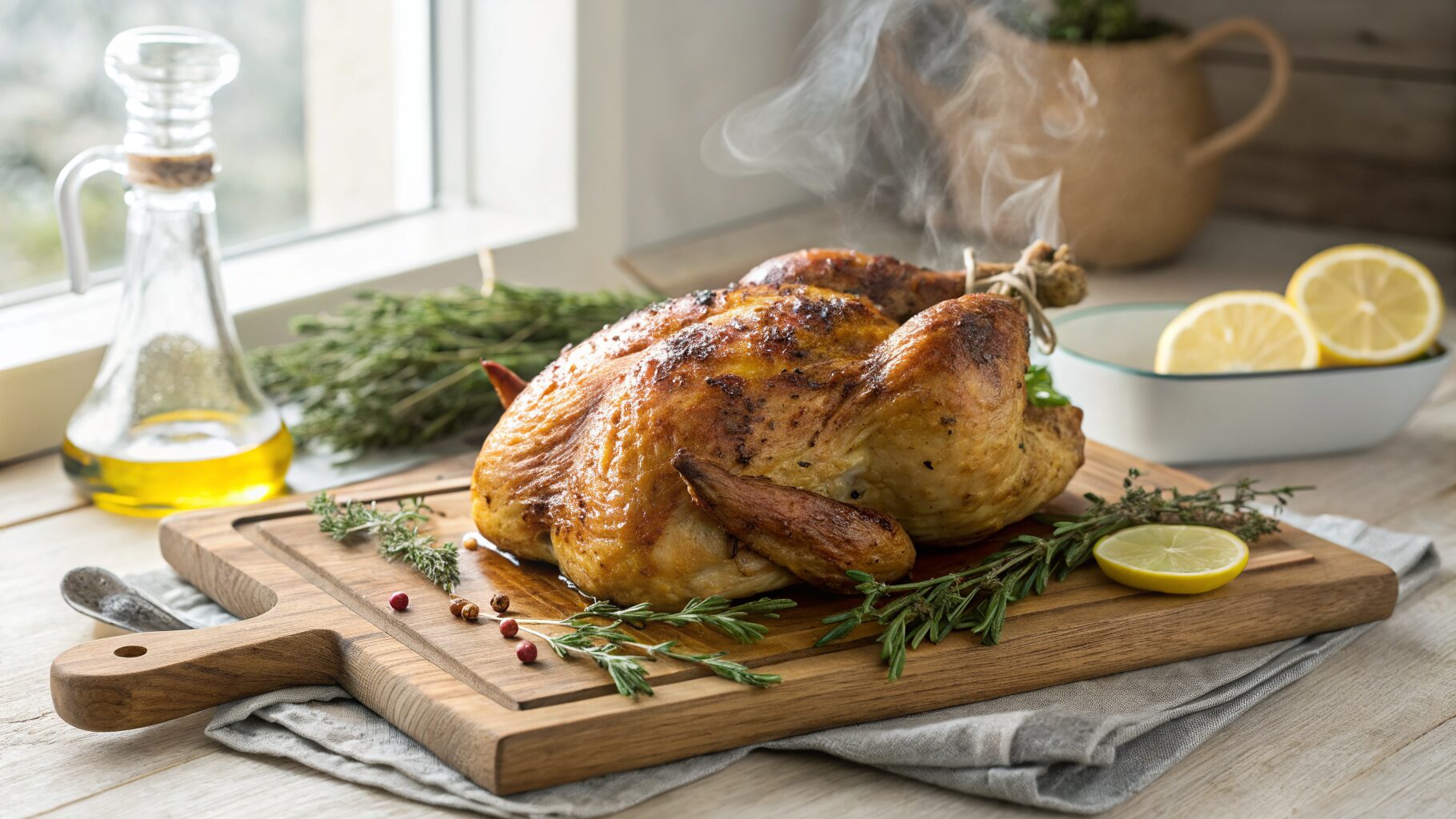
Juicy Chicken Recipe: Tender, Flavorful Every Time
Let me be real with you there’s nothing worse than biting into chicken that’s dry, rubbery, or, dare I say, flavorless. I’ve been there. You season it, cook it with love, and disappointment. But when you nail juicy chicken, oh man, it’s a whole other level of comfort food magic. That’s why I made it my mission to figure out exactly what keeps chicken moist, tender, and ridiculously flavorful. Today, we’re talking everything from choosing the right cut, seasoning strategies, cooking methods, and a few secret tricks I’ve picked up along the way. By the end, you’ll never fear dry chicken again.
Why Juicy Chicken Matters
Let’s be honest. Chicken is cheap, versatile, and accessible, but it’s also notorious for being… well, boring if mishandled. Juicy chicken isn’t just about texture; it’s about experience. That bite of tender, flavorful meat is what makes a dish memorable.
Think about it: a simple roast chicken or a skillet chicken breast can feel like a Michelin-level meal if it’s cooked right. Ever wondered why some recipes call for brining or marinating for hours? It’s not just fancy it works. Moisture, flavor infusion, and texture all come together when you handle chicken with care.
Choosing the Right Chicken Cut
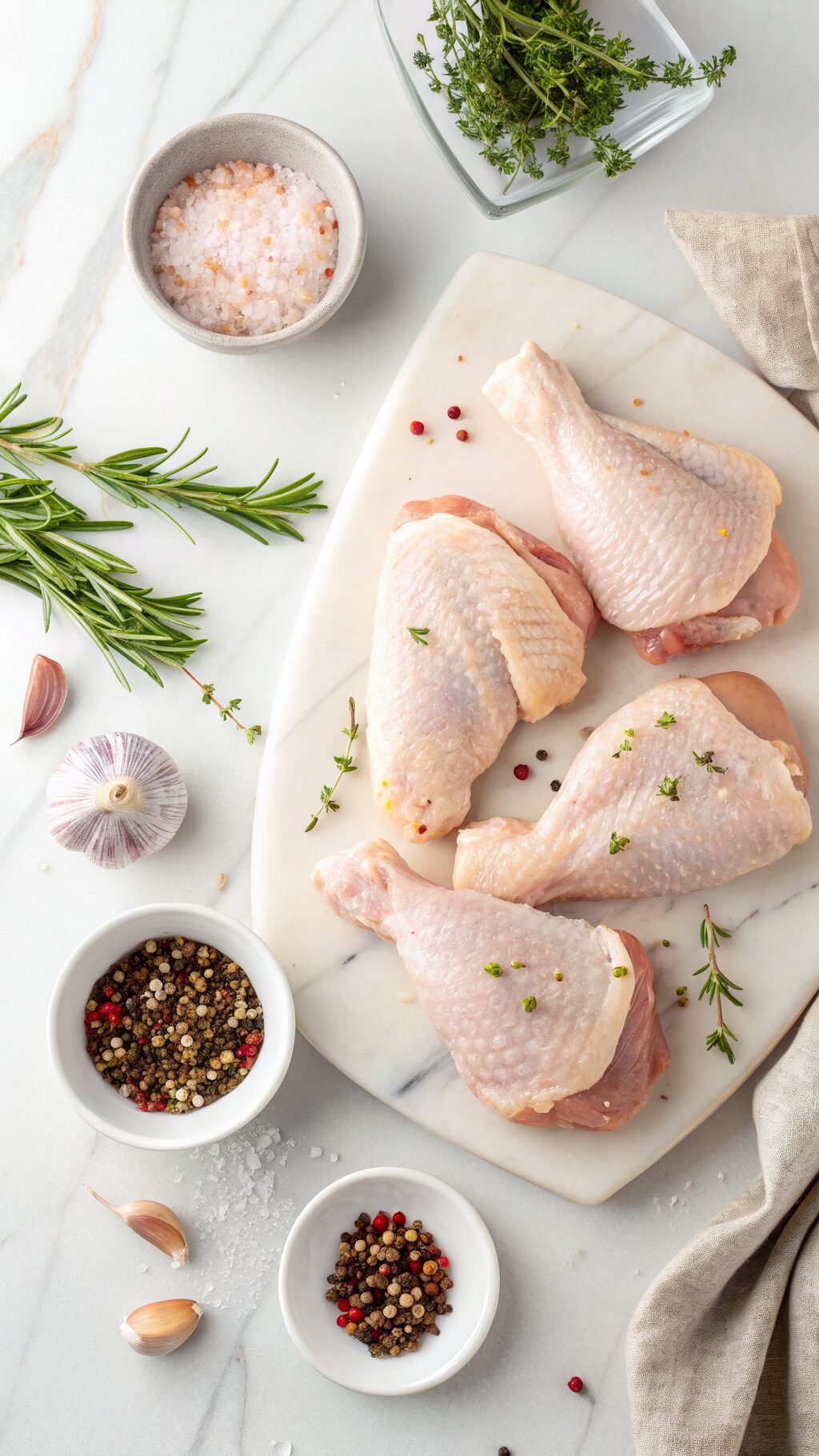
Different cuts behave differently when cooking, and knowing which to pick can save you from a sad, dry disaster.
Breasts: Lean and Quick
- Pros: Quick to cook, mild flavor, easy to portion.
- Cons: Dry out easily if overcooked.
- Tips: Pound evenly for uniform cooking. Use brine or marinade. Cook just until internal temp hits 165°F.
Thighs: Fatty and Flavorful
- Pros: Naturally juicy, forgiving, rich taste.
- Cons: Slightly longer cook time for bone-in.
- Tips: Perfect for skillet, oven, or slow-cooker methods. Boneless thighs cook faster and are easier to slice.
Wings: Bite-Sized Goodness
- Pros: Crispy skin, fun for appetizers or snacks.
- Cons: Small size makes even cooking tricky.
- Tips: Pat dry before seasoning. Bake or fry at high heat for crisp skin.
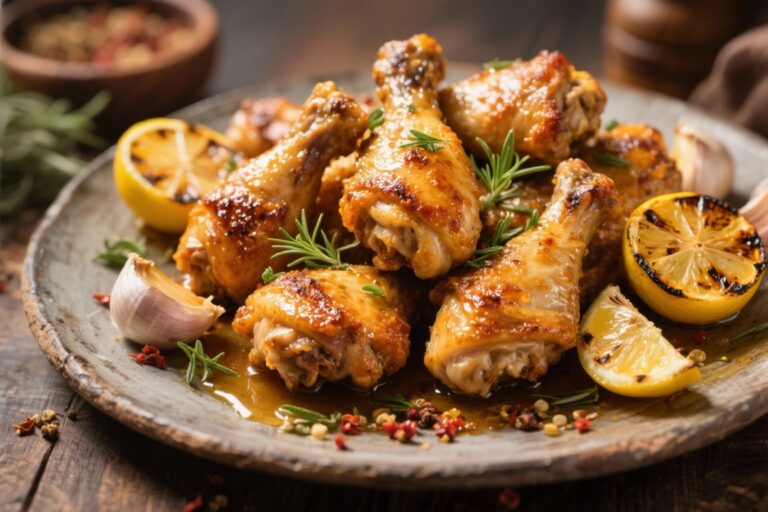
Drumsticks: Kid-Friendly and Easy
- Pros: Great for meals, full of flavor, easy to grab and eat.
- Cons: Can dry out if overcooked like breasts.
- Tips: Oven-roast at moderate heat and baste occasionally.
Pro tip: if your goal is ultimate juiciness, thighs win hands down. But if you’re after lean protein, breasts work if you handle them right.
Seasoning Strategies That Actually Work
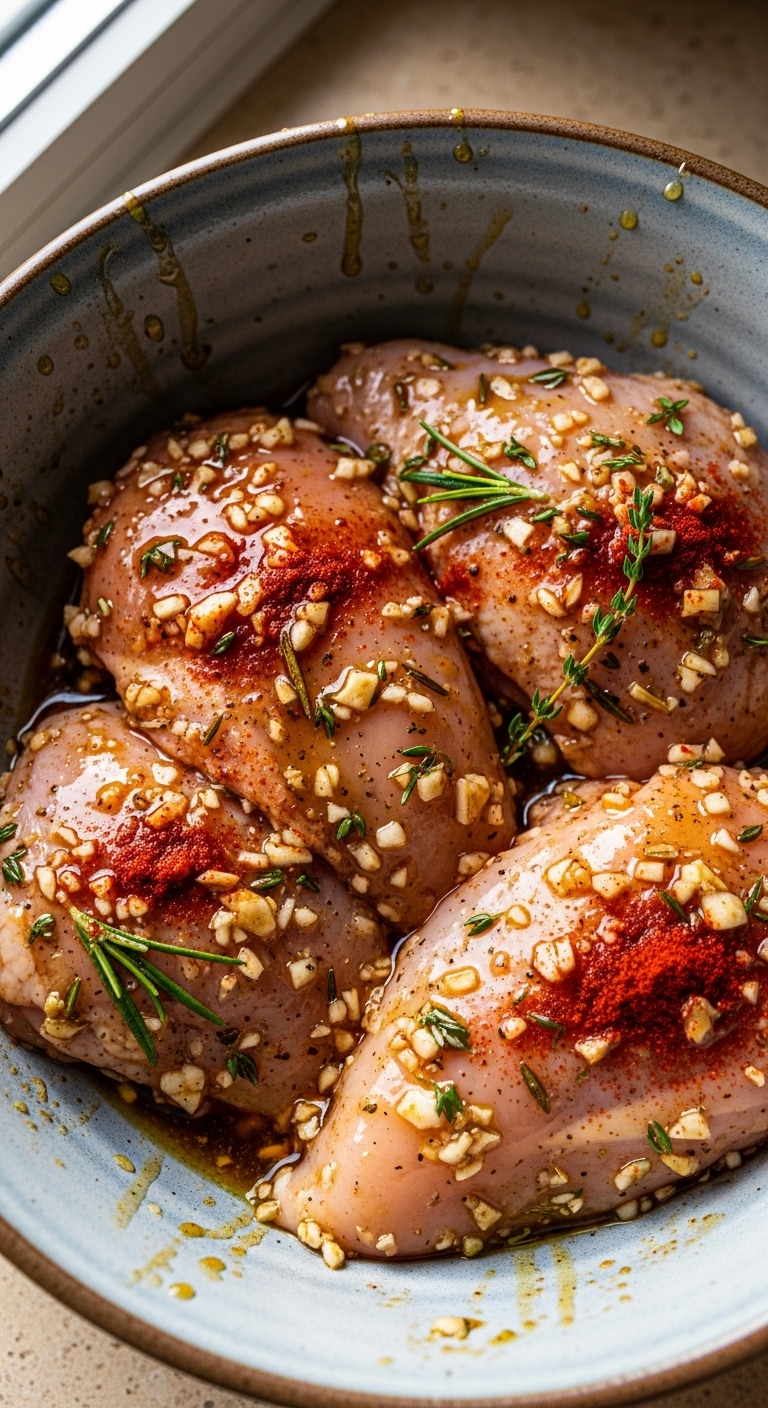
Flavorless chicken? Not on my watch. There’s a science behind it.
Dry Rubs vs. Marinades
- Dry Rubs: Great for quick prep. Salt, pepper, smoked paprika, garlic powder, and cayenne are classic. Works well for oven-roasting or grilling.
- Marinades: Add moisture and flavor. Acidic elements like lemon, yogurt, or vinegar help tenderize. Include oil and herbs for depth.
Brining: The Game-Changer
Salt water + sugar + optional herbs = juicy chicken every time.
- Quick brine: 30 min to 1 hour.
- Long brine: Overnight for larger cuts.
Brining ensures the chicken holds onto moisture during cooking. FYI, it also seasons from the inside out, so every bite hits the flavor jackpot.
Cooking Methods for Juicy Chicken
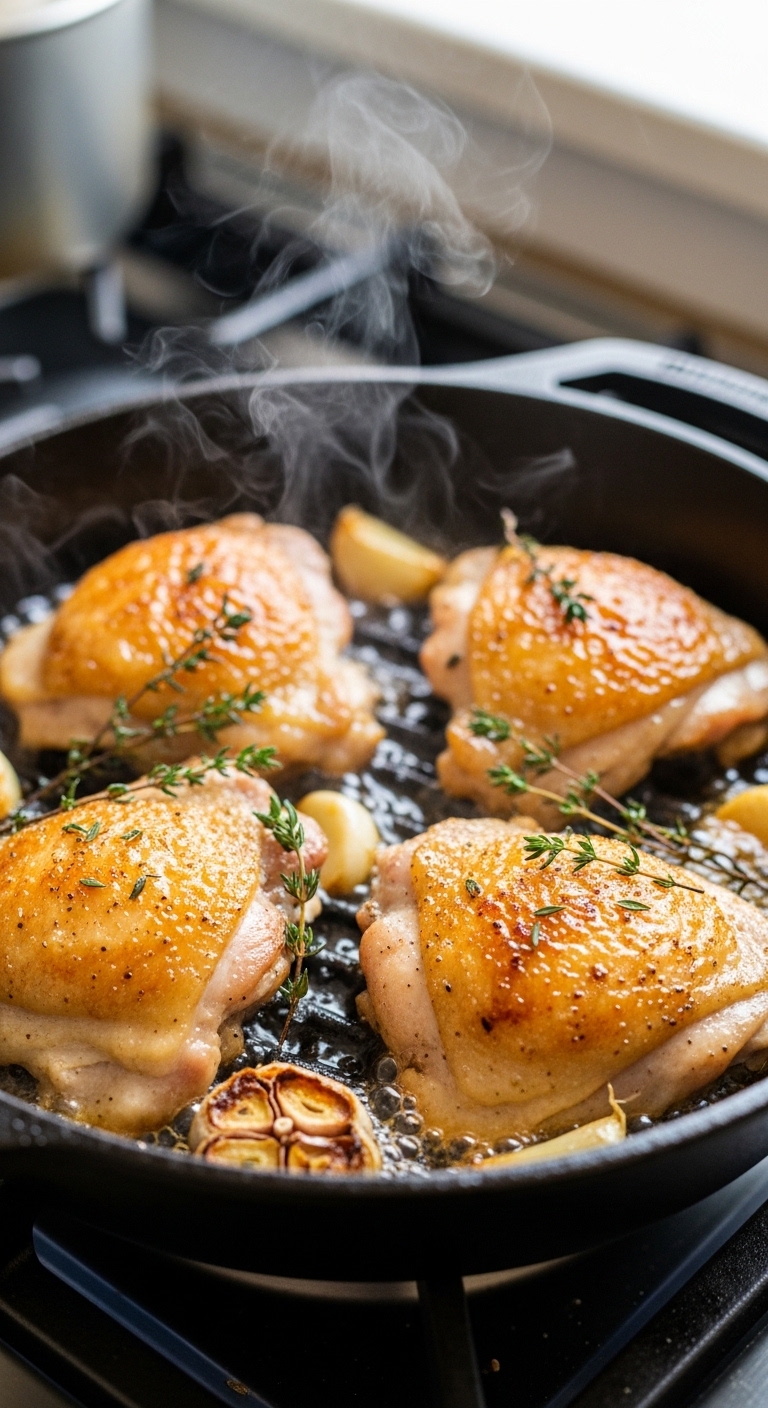
Different techniques yield different textures and flavors. Here’s my breakdown:
Oven-Roasting
Perfect for breasts, thighs, or a whole chicken.
- High heat (425°F) for skin crispiness.
- Low and slow (325°F) for tender, evenly cooked meat.
- Use a roasting rack to prevent soggy bottom.
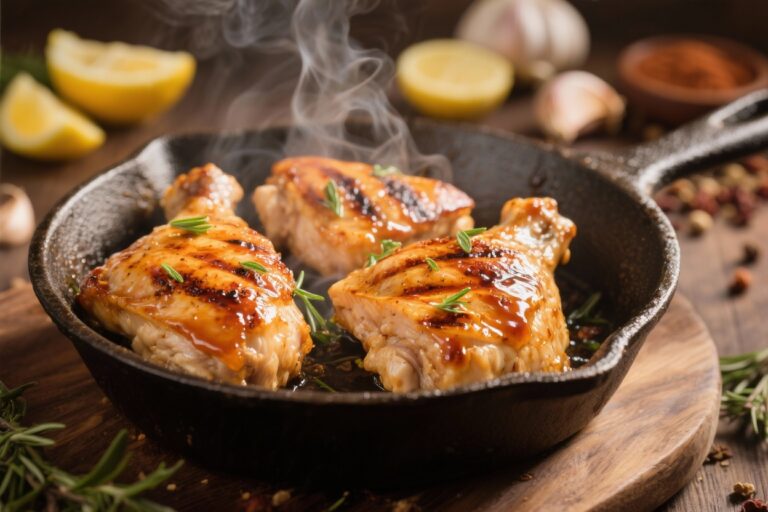
Pan-Seared / Skillet Chicken
Great for breasts or thighs.
- Preheat pan until hot.
- Sear skin or surface for golden-brown crust.
- Finish in oven for thicker cuts.
Grilling
Adds smokiness and char.
- Medium-high heat prevents burning.
- Use marinade or brush with oil to prevent sticking.
Slow Cooker / Instant Pot
Hands-off approach for thighs, drumsticks, or shredded chicken.
- Retains maximum moisture.
- Infuse flavors with herbs, spices, and broth.
Timing Is Everything
The biggest culprit of dry chicken is overcooking. Here’s a quick guide:
| Cut | Method | Internal Temp | Cook Time (Approx.) |
| Breast | Oven | 165°F | 20–25 min |
| Thigh, boneless | Skillet | 165°F | 10–12 min |
| Thigh, bone-in | Oven | 175°F | 35–45 min |
| Drumsticks | Oven | 175°F | 35–40 min |
| Wings | Oven | 165°F | 25–30 min |
Pro tip: use a meat thermometer. It’s not cheating—it’s science. You’ll avoid guesswork and dry bites.
The Secret to Flavorful Juicy Chicken
Here’s the trick: fat + flavor + timing.
- Leave skin on when possible; it locks moisture.
- Use butter or oil in the pan to baste while cooking.
- Add aromatic herbs (thyme, rosemary, sage) to the pan or marinade.
- Don’t skip resting! 5–10 minutes allows juices to redistribute.
Ever bit into chicken right off the stove and it’s dry? That’s exactly why resting matters. It makes a difference you’ll taste immediately.
Juicy Chicken Recipes to Try
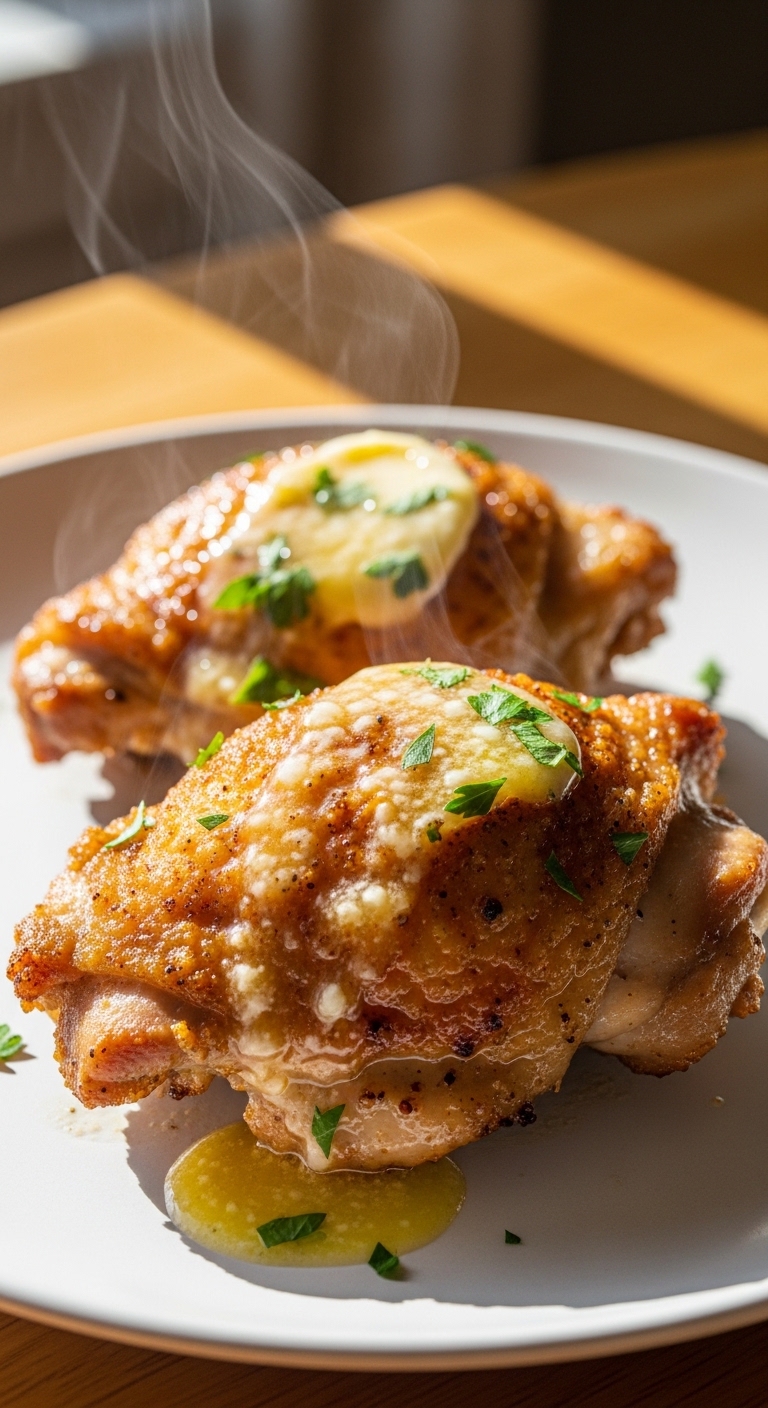
I’ve rounded up a few personal favorites that deliver on juiciness every time.
Garlic Herb Butter Chicken
- Sear skin-on chicken breasts or thighs.
- Melt butter with garlic, thyme, and rosemary in pan.
- Spoon over chicken until golden and moist.
Honey Soy Glazed Chicken
- Marinate in soy sauce, honey, garlic, and ginger.
- Bake or pan-sear.
- Finish with a quick glaze of the marinade reduced to syrup.
Spicy Lemon Pepper Chicken
- Dry rub with lemon zest, black pepper, cayenne, and salt.
- Roast or grill.
- Serve with a squeeze of fresh lemon to brighten flavors.
Slow Cooker BBQ Pulled Chicken
- Boneless thighs with BBQ sauce, onion, and garlic.
- Cook 4 hours on low.
- Shred and serve on sandwiches or tacos.
Tips for Keeping Chicken Moist
- Don’t overcook – seriously, this is key.
- Use brine or marinade – salt + sugar = moisture magic.
- High heat sear first – locks in juices.
- Add fat during cooking – butter, olive oil, or even bacon fat.
- Rest before cutting – 5–10 minutes minimum.
Even one or two of these tricks improves your chicken immensely. Combine all of them, and you’re basically a kitchen wizard.
Common Mistakes to Avoid
- Skipping the thermometer: Don’t guess. You’ll dry it out.
- Cooking straight from fridge: Let meat come to room temp first.
- Crowding the pan: Sauté in batches; too many pieces steam instead of sear.
- Ignoring seasoning: Salt early, adjust at the end. Chicken loves flavor.
Juicy Chicken for Meal Prep
Chicken is perfect for prepping meals in advance. Here’s how I do it:
- Cook thighs or breasts fully using your favorite method.
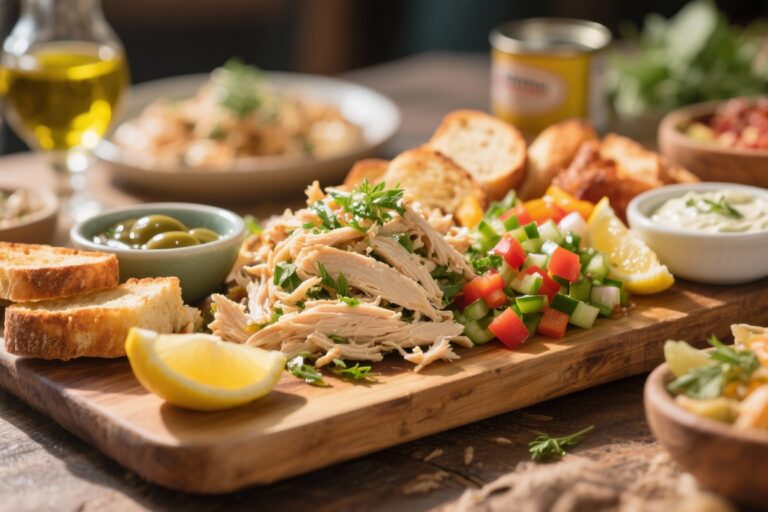
- Cool and slice or shred.
- Store in airtight containers with a little sauce or broth to retain moisture.
- Keeps 4–5 days in the fridge or 2–3 months in the freezer.
It’s ideal for salads, bowls, sandwiches, and quick dinners.
Creative Twists
Want to spice things up? Try these variations:
- Mediterranean: Olives, lemon, oregano, feta garnish.
- Asian-inspired: Soy, ginger, garlic, sesame oil, scallions.
- Tex-Mex: Chili powder, cumin, smoked paprika, lime, cilantro.
Changing spices and herbs gives you entirely different meals while keeping the juicy chicken technique intact.
Pairings and Sides
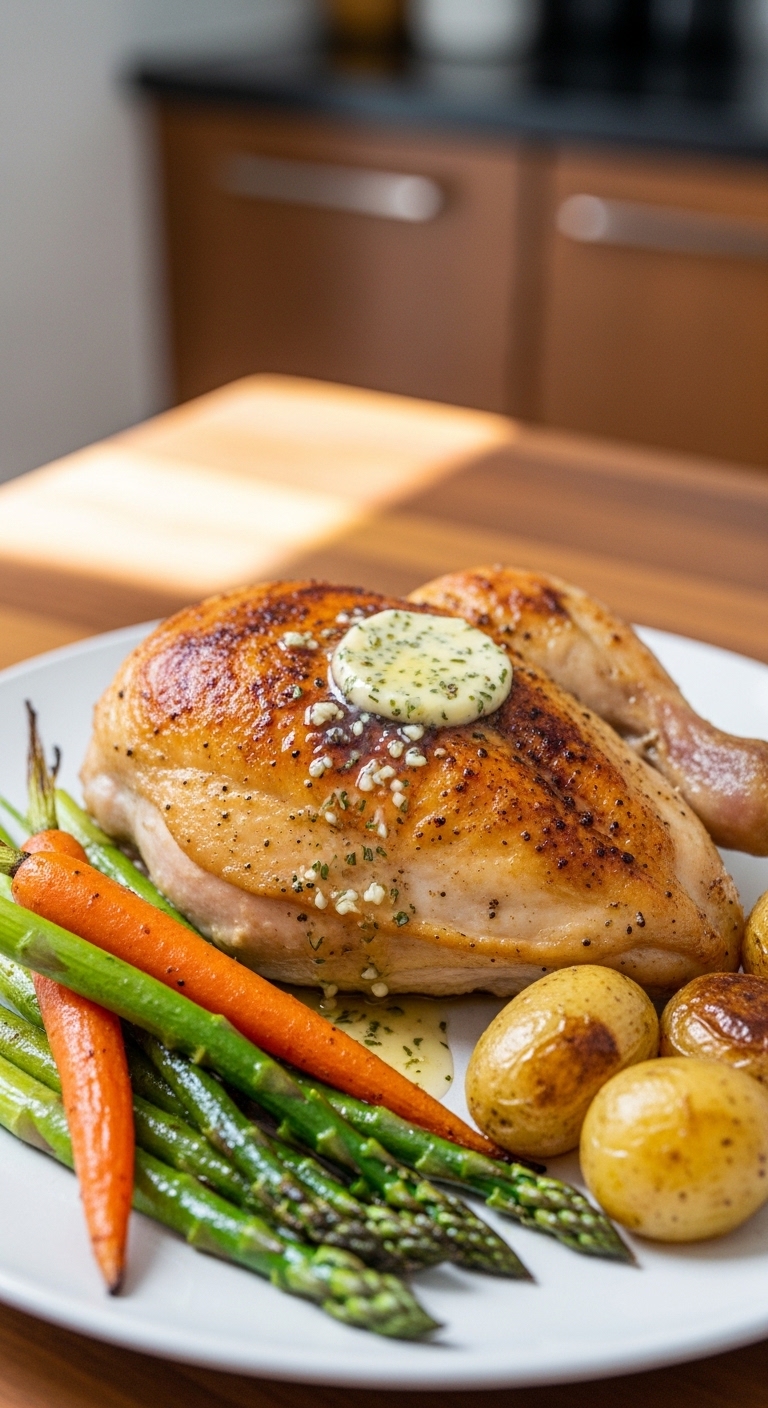
Juicy chicken is versatile, so your sides can vary:
- Roasted or sautéed vegetables (asparagus, carrots, broccoli)
- Garlic mashed potatoes or rice
- Fresh salads with light vinaigrette
- Quinoa or couscous for a protein-rich option
Even simple sides feel elevated when paired with perfectly cooked chicken.
Storing and Reheating
- Refrigeration: 4–5 days in an airtight container.
- Freezing: Up to 3 months; best sliced or shredded.
- Reheating: Use low heat in oven or microwave with a splash of broth to prevent drying.
FYI, reheated chicken can be just as juicy if handled right.
Why Juicy Chicken Feels Like Magic
There’s a reason people love juicy chicken. It’s comforting, adaptable, and instantly satisfying. The texture, the flavor, the aroma when done right, it makes weeknight dinners feel special. Plus, it’s cheap, accessible, and doesn’t require fancy ingredients.
Final Thoughts
If you’ve ever struggled with dry chicken, consider this your friendly pep talk. Focus on cuts, seasoning, cooking method, and timing. Add a little brine, a little fat, and don’t skip resting.
Juicy chicken isn’t a myth. It’s a combination of science, technique, and a tiny bit of patience.
Next time you cook chicken, remember: treat it well, respect the heat, season like you mean it, and rest before you slice. Your taste buds will thank you. And honestly? You’ll never go back to sad, dry chicken again.
So grab your favorite cut, your best spices, and let’s make juicy chicken happen. You deserve it.