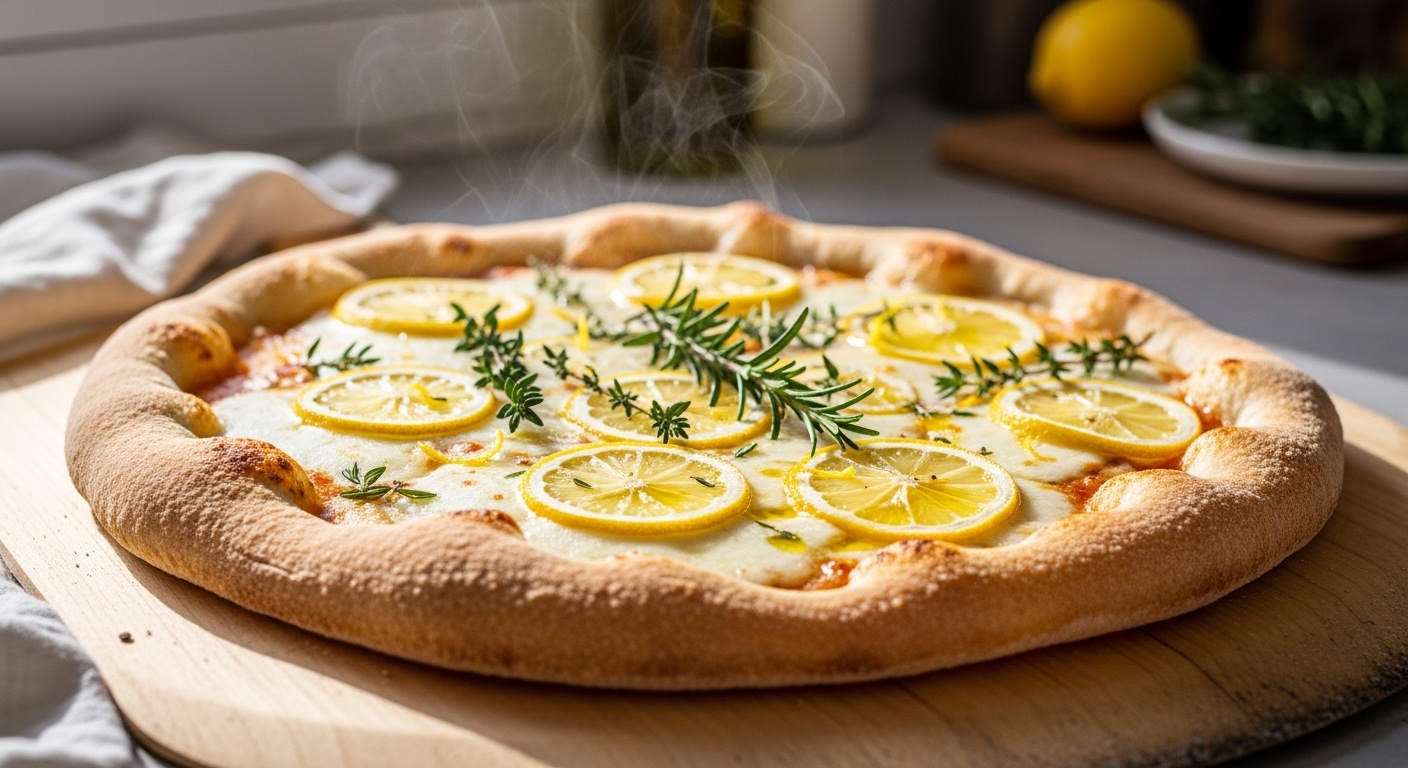
Lemon Pizza Recipe: Bright, Zesty, and Irresistible
Okay, let’s get one thing straight: lemon pizza might sound… weird at first. I get it. You’re picturing citrus on pizza and thinking, “Wait, is this dessert? Savory? A prank?” But hear me out. This is one of those magical flavor combos that hits all the right notes bright, tangy, slightly sweet, with that unmistakable gooey, cheesy, crispy crust experience we all secretly worship. I stumbled upon this idea while messing around in my kitchen (classic me), and let’s just say my taste buds were shook.
By the end of this article, you’re going to know everything about lemon pizza from choosing the right lemons to perfecting the crust, topping strategies, and even some creative flavor twists. Plus, I’ll share the little tricks that make it irresistibly juicy and flavorful. FYI, this isn’t your grandma’s tomato-only pie.
Why Lemon Pizza Works
You might wonder, “Why would anyone put lemon on pizza?” Honestly, it’s all about balance. Lemon juice and zest brighten flavors, cut through richness, and add an unexpected layer of complexity. It’s not overpowering if done right; it’s just… zingy perfection.
Think of it as the culinary version of sunshine on your plate. Plus, when you pair it with creamy cheeses and fresh herbs, you’re elevating an ordinary pizza into something that feels gourmet but is surprisingly simple.
Choosing the Right Lemons
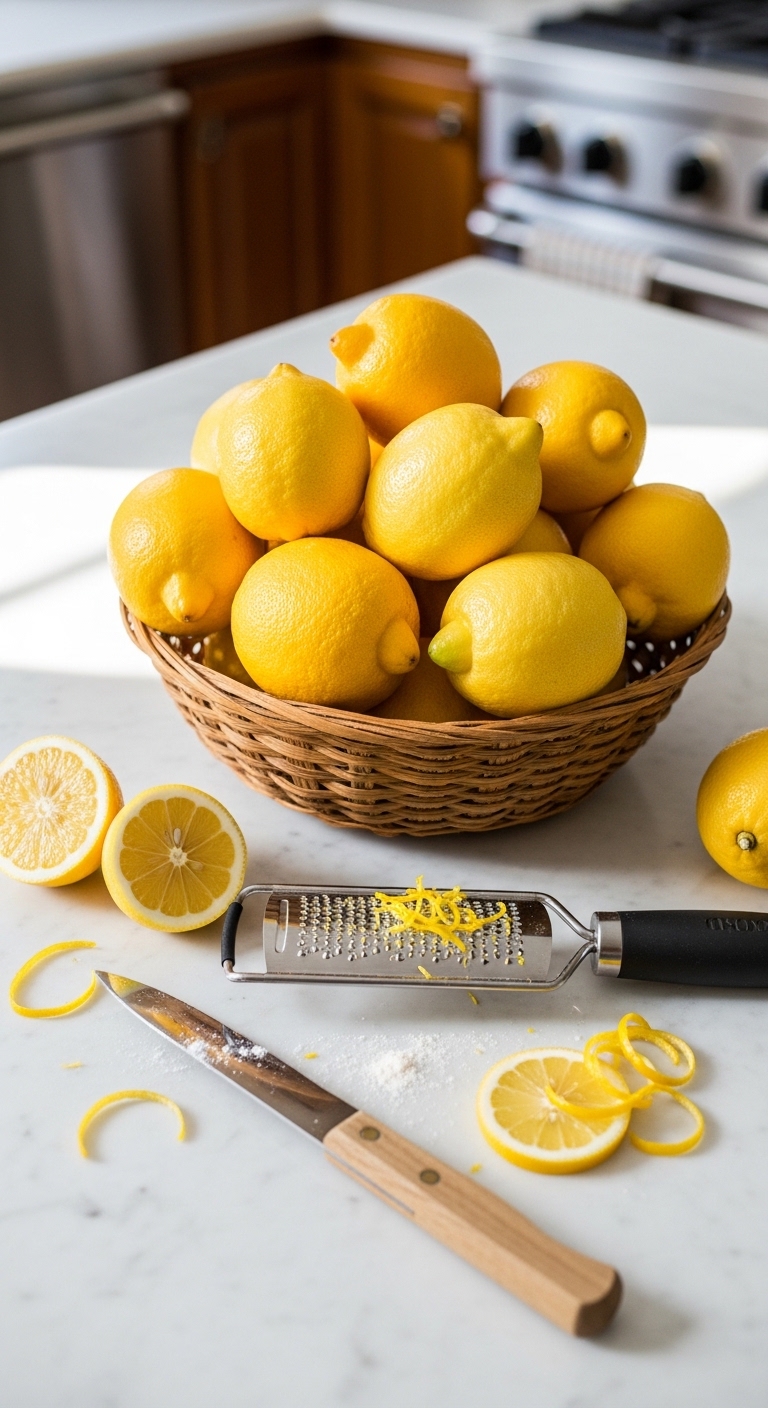
Not all lemons are created equal. If you pick the wrong one, you could end up with overly bitter, sour, or dull flavors. Here’s what I learned after countless trials:
Meyer Lemons: Sweet & Subtle
- Pros: Slightly sweeter than regular lemons, less acidic.
- Best Use: Thinly sliced on the pizza, zest, or light drizzle of juice.
Regular Yellow Lemons: Classic Tang
- Pros: Bright, sharp, and aromatic.
- Best Use: Zest or juice sparingly to avoid overpowering.
Tips for Maximum Flavor
- Always zest before juicing. The oils in the peel carry more flavor than the juice itself.
- Avoid the pith it’s bitter and will ruin your delicate balance.
- Combine juice and zest for depth.
The Perfect Crust
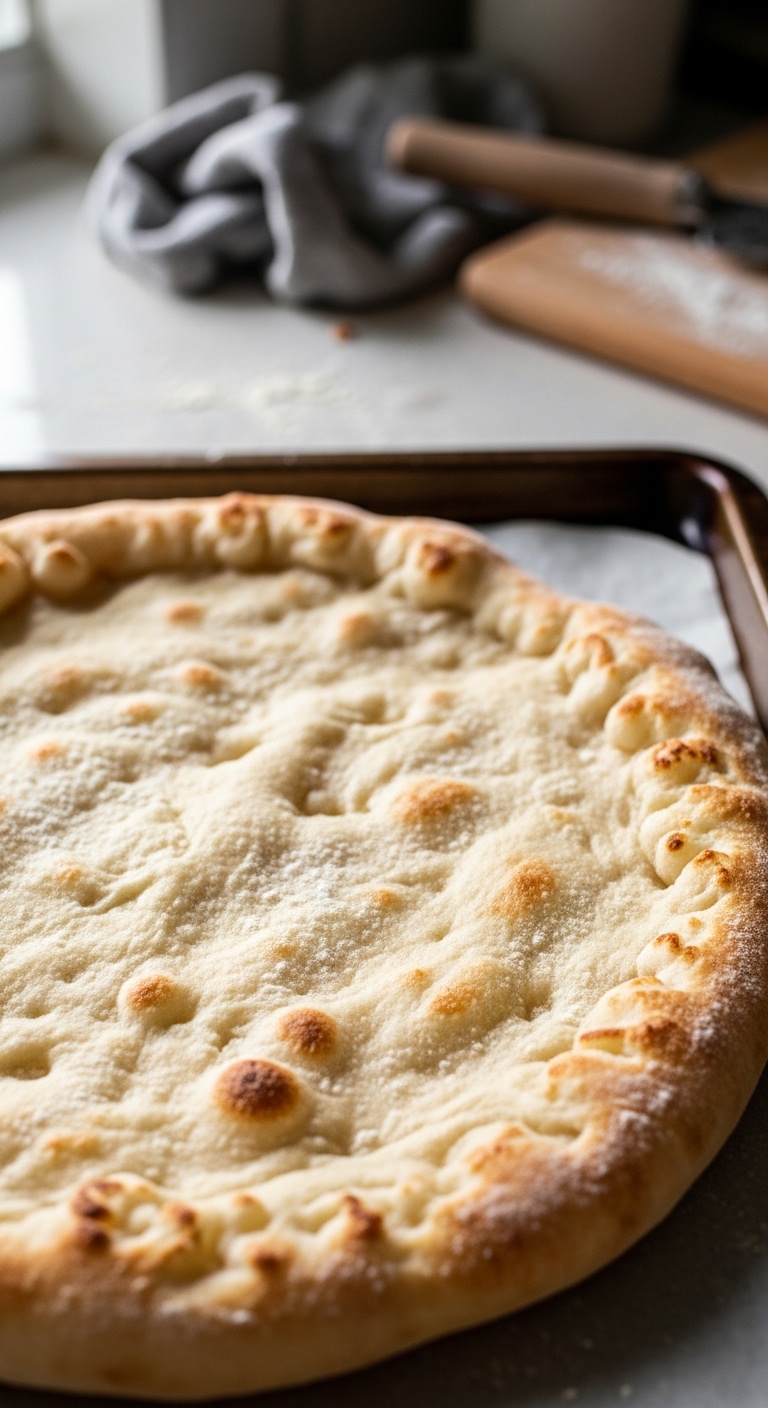
Let’s face it, no matter how zesty your toppings are, a soggy or bland crust kills the whole vibe.
Thin & Crispy
- Quick, light, and perfect for highlighting lemon’s brightness.
- Works best in a hot oven (475–500°F) for 8–12 minutes.
Thick & Chewy
- Ideal if you love a hearty bite.
- Slightly lower temp, longer bake, but watch for sogginess under wet toppings.
Pro Tip: Par-Bake Your Crust
Ever tried lemon juice on raw dough? Yeah.. not ideal. Par-baking for 5 minutes ensures your crust stays crisp and holds up under the juicy toppings.
Cheese Choices for Lemon Pizza
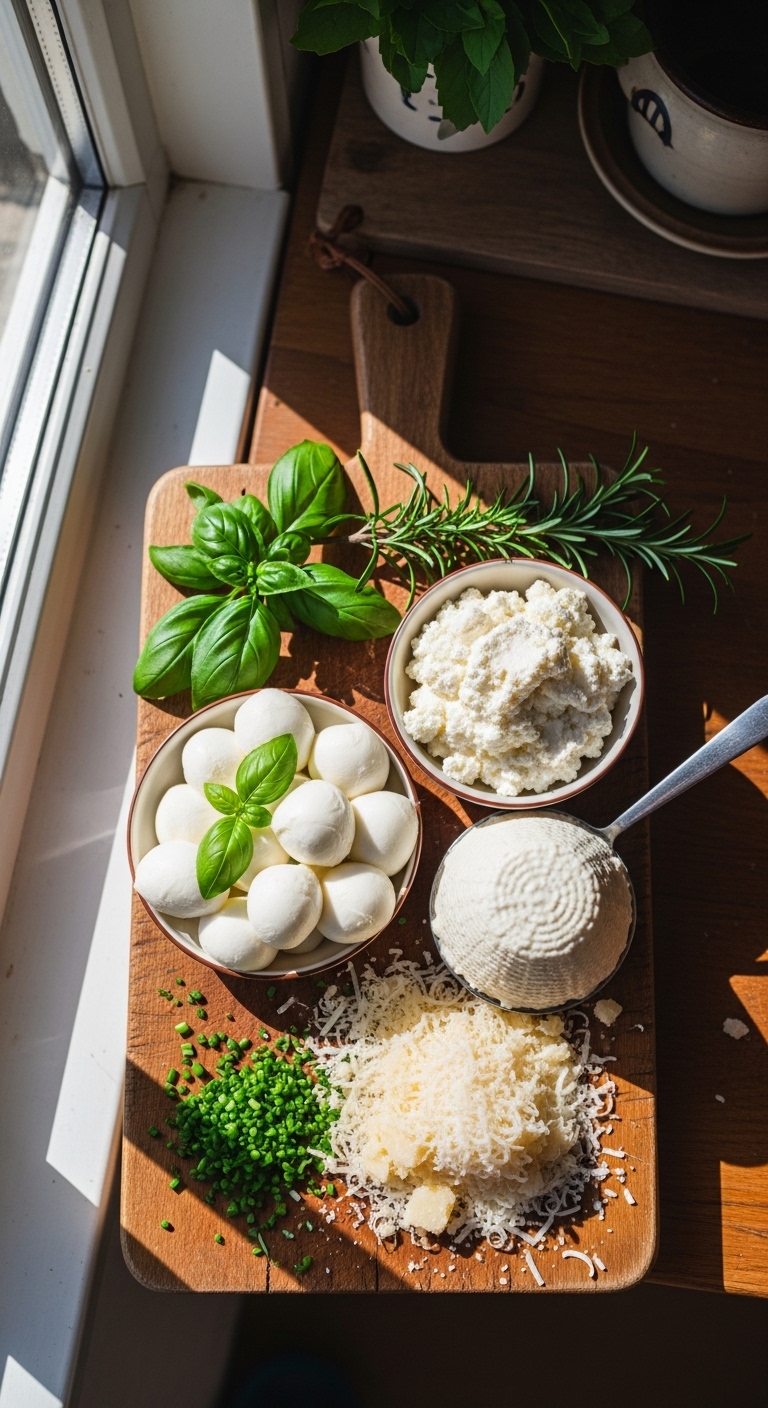
Cheese can make or break this dish. You need something that melts well, balances acidity, and adds creaminess.
Mozzarella: The Classic Hero
- Mild flavor, melts beautifully, and lets lemon shine.
Ricotta: Creamy Luxury
- Adds a soft, pillow-like texture.
- Perfect for dollops on top after the pizza comes out of the oven.
Parmesan or Pecorino: Sharp Accent
- Sprinkle lightly for a nutty, salty contrast.
- Lemon pairs surprisingly well with sharp cheeses it’s like magic.
Topping Strategies
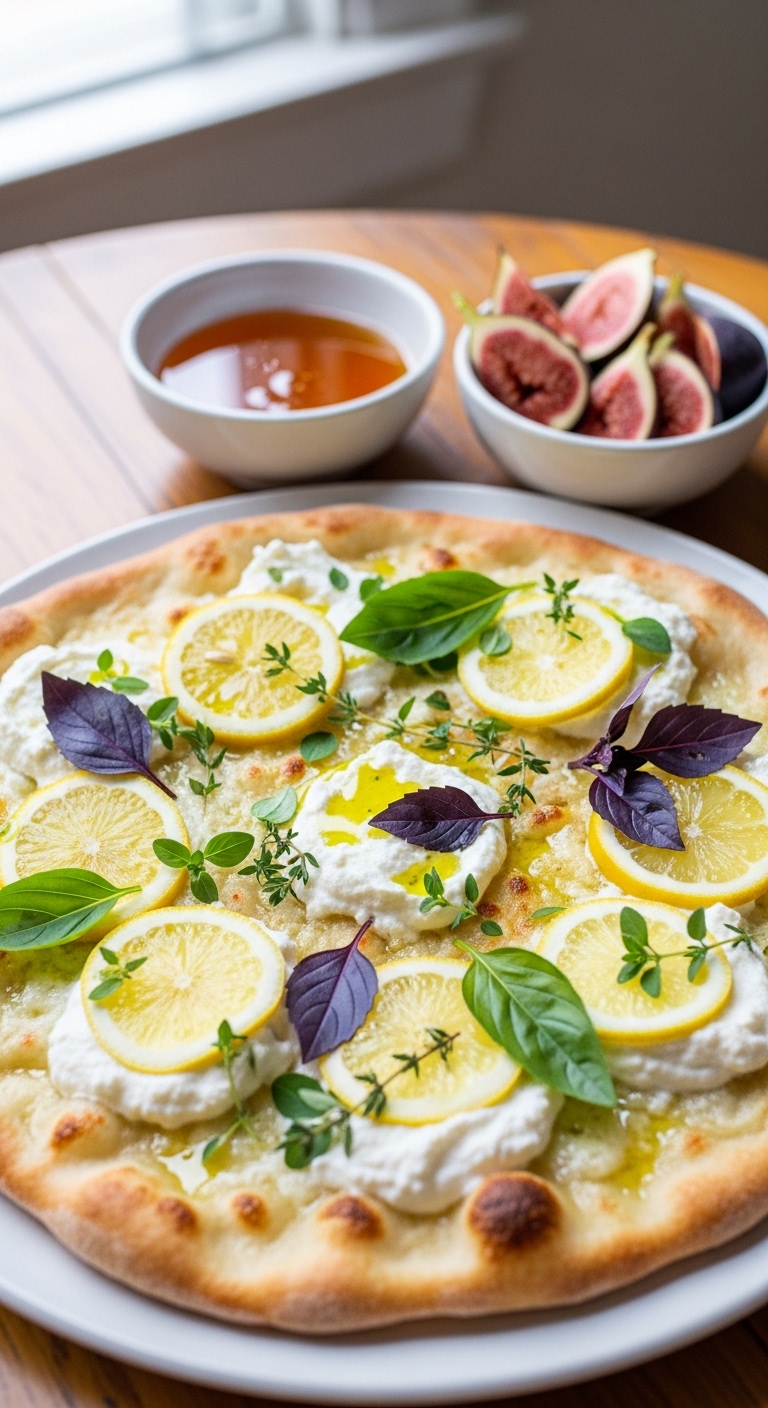
Here’s where the fun begins. Lemon pizza is versatile you can go savory, herb-forward, or even slightly sweet.
Savory Lemon Pizza
- Mozzarella, thin lemon slices, rosemary, cracked black pepper.
- Optional: prosciutto after baking for salty contrast.
Herbaceous Delight
- Basil, thyme, oregano, lemon zest.
- Use a drizzle of olive oil to tie flavors together.
Sweet & Tangy Twist
- A touch of honey or fig jam under the cheese.
- Lemon zest on top adds brightness and prevents heaviness.
Cooking Techniques for Maximum Flavor
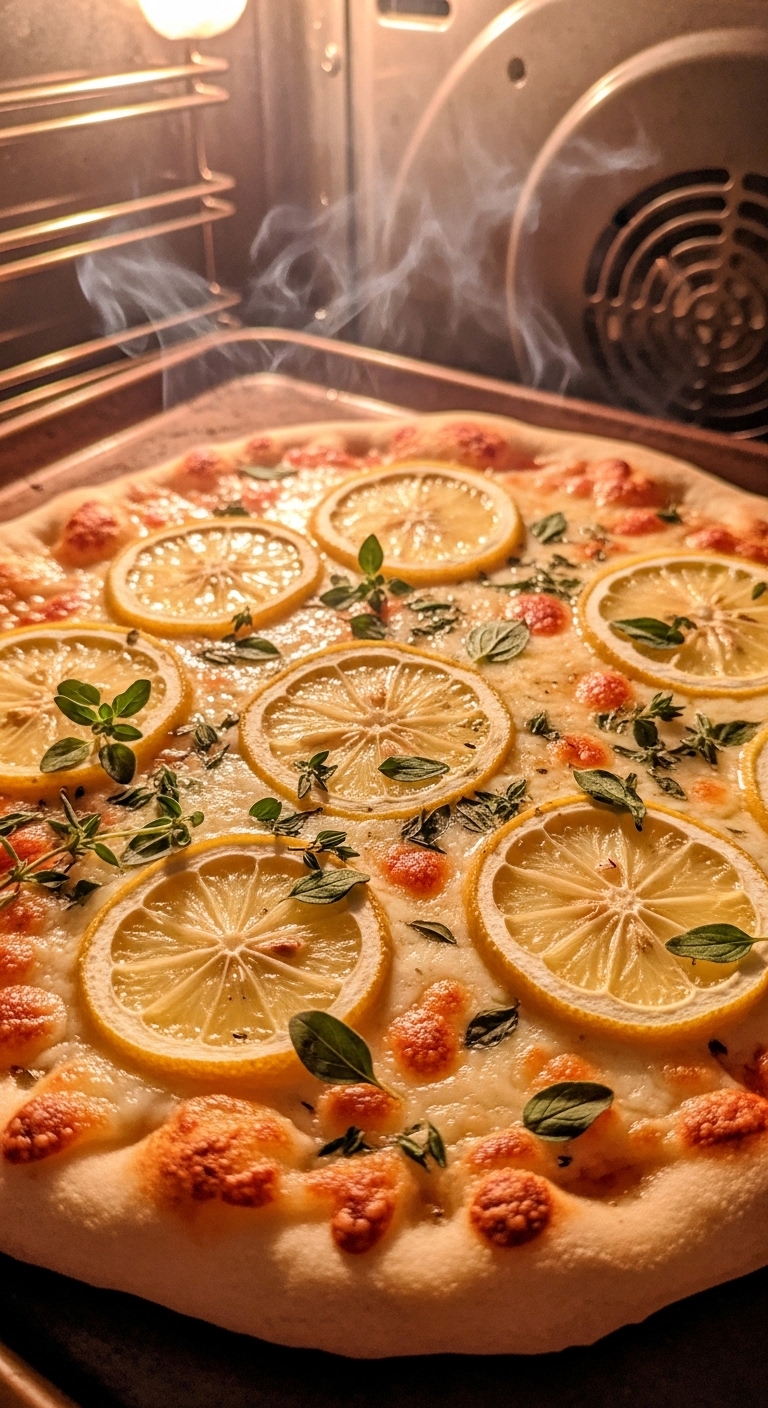
How you cook your lemon pizza affects every bite.
Oven Baking
- Preheat oven hot (475–500°F).
- Bake on a pizza stone or preheated tray for crispy bottom.
- Add fresh herbs and lemon juice after baking to preserve brightness.
Skillet Pizza
- Cast iron skillet = crispy edges and cozy home-style vibe.
- Cook covered for a few minutes to melt cheese, then finish uncovered for browning.
Grilled Pizza
- Adds smoky char that pairs surprisingly well with citrus.
- Brush crust lightly with olive oil to prevent sticking.
Balancing Acidity
Lemon is bright but can overpower if you’re not careful. Here’s how I keep it balanced:
- Cheese as a buffer: Mozzarella or ricotta mellow the acidity.
- Olive oil drizzle: Fat softens sharp flavors.
- Sweet counterpoint: Honey, caramelized onions, or figs.
- Fresh herbs: Basil or arugula add herbal freshness.
Experimenting with Proteins
Yes, lemon pizza works with more than just veggies.
- Chicken: Marinate in lemon, garlic, and herbs for a Mediterranean vibe.
- Shrimp: Quick-cooked shrimp with lemon zest is a game-changer.
- Prosciutto: Add after baking to keep salty contrast.
FYI, proteins work best when lightly seasoned you don’t want to mask the lemon’s brightness.
Creative Flavor Twists
If you’re feeling adventurous, here are a few ways to level up:
White Sauce Lemon Pizza
- Use a light garlic cream base instead of tomato.
- Lemon zest in the sauce adds subtle tang.
Arugula & Lemon Pizza
- Top baked pizza with fresh arugula and lemon juice.
- The bitterness of arugula pairs beautifully with creamy cheese.
Sweet Citrus Pizza
- Drizzle honey after baking.
- Sprinkle with a tiny bit of powdered sugar if you want dessert vibes.
Common Mistakes to Avoid
- Overloading lemon juice: Can make crust soggy and toppings bitter.
- Skipping zest: You lose essential aromatic oils.
- Not preheating oven: High heat is key for crispiness.
- Ignoring cheese melt: Cheese should complement, not drown, lemon flavor.
Pairing Lemon Pizza
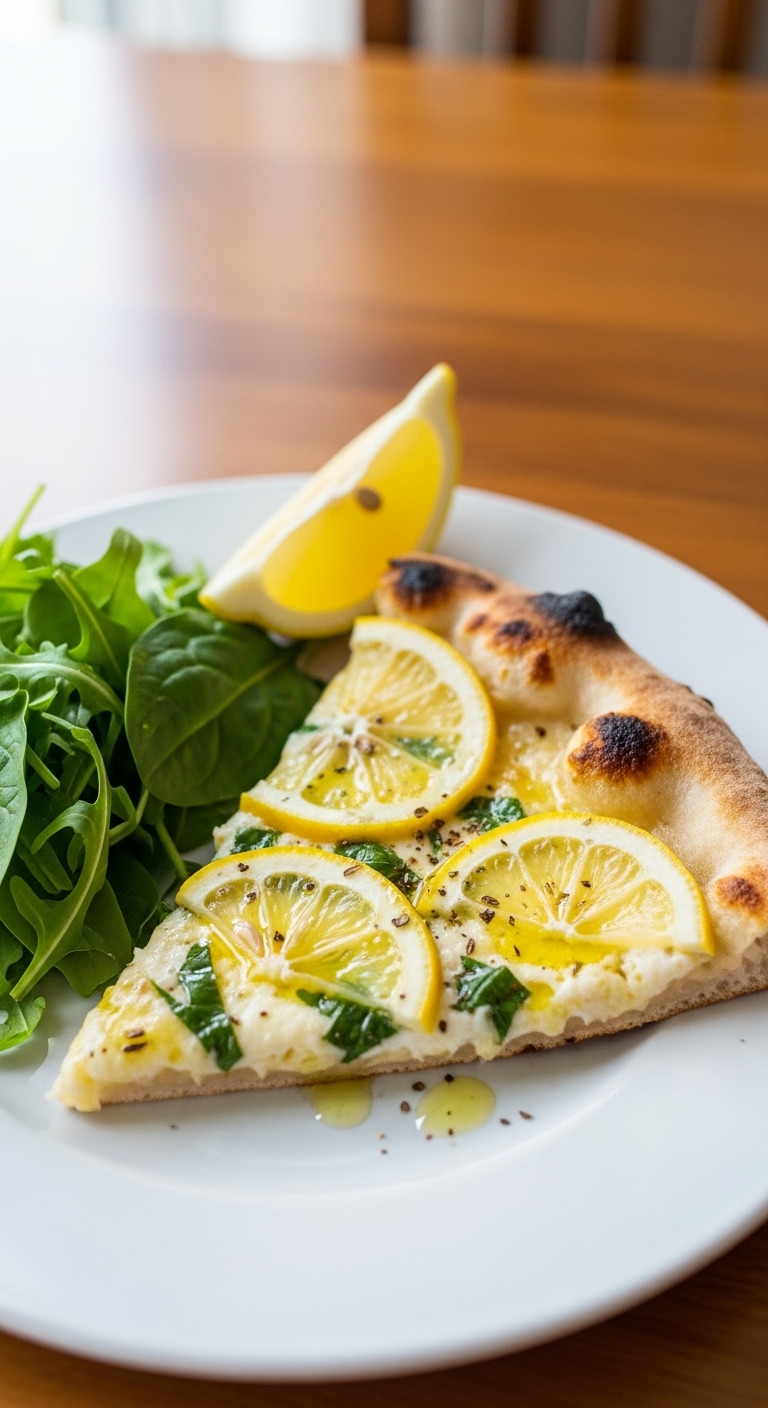
Wondering what to serve alongside?
- Light Salads: Arugula, spinach, or mixed greens with citrus vinaigrette.
- Drinks: Crisp white wine or sparkling water with a lemon slice.
- Dessert: Something mild like panna cotta to round out the meal.
Storing & Reheating
- Refrigeration: Wrap leftover slices tightly; lasts 2–3 days.
- Reheating: Oven at 350°F for 5–7 minutes keeps crust crisp. Avoid microwaving unless you like soggy pizza.
- Freezing: Freeze unbaked dough with toppings for 1–2 months. Bake from frozen on a hot stone for best results.
Why Lemon Pizza Feels Special
It’s the little things: tangy brightness cutting through creamy cheese, golden crust holding it all together, the subtle aroma of fresh herbs and lemon oils. Every bite feels like a sunny Mediterranean afternoon. You don’t need fancy toppings or long cook times just good ingredients, balanced flavors, and a little confidence in your kitchen skills.
Final Thoughts
Lemon pizza might have sounded odd at first, but once you taste it, you realize it’s a revelation. Bright, creamy, tangy, and perfectly balanced it’s proof that pizza doesn’t have to be boring or predictable.
So grab your dough, your best lemons, and your favorite cheeses. Experiment with toppings, play with herbs, and don’t be afraid to drizzle a little honey or squeeze a little lemon at the end. Your taste buds are about to throw a party, and honestly, you’ll never think of pizza the same way again.
Trust me once you make lemon pizza, it’s going to be your go-to when you want something fresh, zesty, and utterly irresistible. Give it a try, and prepare to impress yourself and everyone at the table.