
Homemade Seafood Paella Recipe That Impresses Every Time
You know that moment when a steaming pan of seafood paella hits the table and everyone suddenly thinks you trained in Valencia? I live for that moment. This seafood paella recipe gives you bold flavor, dramatic presentation, and serious “wow” energy without requiring a chef’s coat or a culinary degree. Who doesn’t want a dish that looks fancy but feels cozy?
I learned paella the messy, trial-and-error way. I burned the rice once, overcooked the shrimp twice, and still kept coming back because the payoff tasted unreal. Ready to skip the mistakes and get straight to the good part?

What Makes a Seafood Paella Recipe Truly Great?
A great paella never hides behind fancy tricks. It relies on honest ingredients, smart technique, and confidence with seasoning. That’s it. You control the flavor when you respect the basics.
You want balance in every bite. The rice should taste rich but not heavy. The seafood should shine, not drown in spices. The broth should carry depth without turning salty.
Ever wondered why restaurant paella tastes so layered compared to home versions? They build flavor from the very first step.
The Heart of Paella: Choosing the Right Rice
Let’s talk rice, because this choice can make or break your seafood paella recipe. You need a short-grain rice that absorbs liquid like a sponge while staying firm.
Best Rice Options for Paella
- Bomba rice – absorbs more liquid, stays perfectly tender, and feels authentic.
- Calasparra rice – slightly more affordable but still fantastic.
- Arborio rice – works in a pinch, though it releases more starch and feels creamier.
I always grab bomba rice when I find it. The grains hold their shape and soak up flavor like little champions. Who wants mushy rice when you can get perfect texture instead?
Seafood That Actually Belongs in Paella
You don’t need a seafood tower to make this dish impressive. You need fresh, balanced seafood that cooks evenly and complements the rice.
My Go-To Seafood Mix
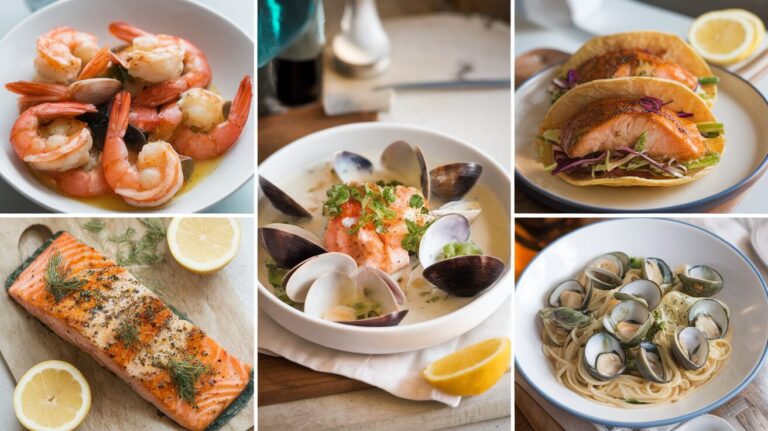
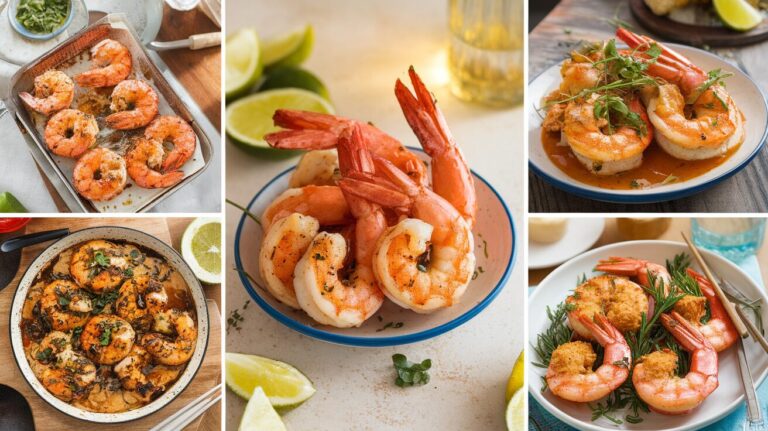
- Shrimp or prawns for sweetness and drama
- Mussels for briny depth
- Clams for subtle ocean flavor
- Calamari rings for tender chew
- White fish chunks like cod or snapper for body
I avoid overpowering fish like salmon here. Strong flavors bully the rest of the pan. You want harmony, not a seafood argument.
The Flavor Base: Where the Magic Actually Starts
Every unforgettable seafood paella recipe builds flavor before the rice ever touches the pan. This step separates average paella from “wait, you made this at home?” paella.
The Essential Flavor Builders
- Olive oil – use a generous pour, not a timid drizzle
- Onion and garlic – cook until soft and fragrant
- Tomatoes – grated fresh tomatoes give sweetness and body
- Paprika – use smoked paprika for depth
- Saffron – optional but powerful
- Seafood stock – homemade or high-quality store-bought
I treat this stage like laying the foundation of a house. I slow down, stir often, and let the aromas develop. Why rush the most important part?
Saffron: Fancy or Actually Worth It?
People love to debate saffron. Some call it overpriced threads. I call it a flavor bomb when used correctly.
Saffron adds a subtle floral aroma, golden color, and unmistakable warmth. You don’t need much. A small pinch steeped in warm stock transforms the whole pan.
If you skip it, your seafood paella recipe still tastes delicious. If you include it, your paella feels special. That choice depends on your mood and your grocery budget 🙂

The Step-by-Step Seafood Paella Recipe That Actually Works
Let’s get into the real action. This method keeps everything clear, manageable, and stress-free.
Ingredients You’ll Need
- 2 cups bomba rice
- 500g shrimp or prawns
- 250g mussels, cleaned
- 250g clams, cleaned
- 150g calamari rings
- 200g white fish chunks
- 1 medium onion, finely chopped
- 4 cloves garlic, minced
- 2 large ripe tomatoes, grated
- 1 tsp smoked paprika
- A pinch of saffron threads
- 5 cups seafood stock, warm
- 4 tbsp olive oil
- Salt and pepper to taste
- Fresh parsley and lemon wedges for garnish
Cooking Method
- Heat olive oil in a wide paella pan over medium heat.
- Sauté onion until soft and golden, then add garlic and stir until fragrant.
- Add grated tomatoes and cook until the mixture thickens.
- Stir in smoked paprika and saffron-infused stock.
- Add rice and spread it evenly without stirring afterward.
- Pour in warm seafood stock and season with salt.
- Simmer gently for 10 minutes, then arrange seafood on top.
- Continue cooking until the rice absorbs liquid and seafood cooks through.
- Rest the pan off heat for 5–10 minutes before serving.
That’s it. No drama, no overthinking, no stirring marathon. You trust the process and let the pan do the work.

The Golden Rule: Never Stir the Rice
This rule trips up almost everyone. Stirring feels natural, so I get the temptation. But paella needs stillness to develop its signature texture.
When you avoid stirring, the bottom layer caramelizes into socarrat, that crispy golden crust everyone fights over. That layer tastes smoky, nutty, and deeply savory.
Who wants creamy risotto vibes in a seafood paella recipe when you can get crunchy perfection instead?

How to Know When Your Paella Is Done
Paella doesn’t come with a pop-up timer, unfortunately. You rely on sight, smell, and a bit of confidence.
Signs Your Paella Is Ready
- Rice looks plump and tender but not mushy
- Liquid fully absorbs into the pan
- Seafood looks opaque and firm
- A subtle toasted aroma rises from the bottom
I always listen for gentle crackling near the end. That sound signals socarrat forming. That sound feels like music to my ears.
Common Seafood Paella Mistakes (And How You Avoid Them)
Everyone messes up paella at least once. You can skip the heartbreak by knowing the usual traps.
Mistakes to Watch Out For
- Overloading with seafood – overcrowding leads to uneven cooking
- Using cold stock – cold liquid slows everything down
- Stirring the rice – kills texture instantly
- Cooking shrimp too early – turns them rubbery
- Oversalting early – seafood stock already carries salt
I made every one of these mistakes. I learned fast because sad paella hurts the soul.
The Best Pan for a Seafood Paella Recipe
You don’t need fancy cookware, but the right pan helps. A wide, shallow pan promotes even cooking and better evaporation.
Pan Options That Work Well
- Traditional paella pan – wide, shallow, and perfect
- Large stainless steel skillet – great alternative
- Cast iron skillet – holds heat beautifully
- Carbon steel pan – heats fast and evenly
I use a large carbon steel pan at home. It gives me reliable heat and gorgeous browning. Do you really need to buy a special pan? No. Do you enjoy the process more with one? Absolutely.
Homemade Seafood Stock vs Store-Bought: The Honest Comparison
Homemade seafood stock tastes incredible. Store-bought stock saves time and sanity. Both options work.
Homemade Stock Pros
- Deeper flavor
- Full control over salt
- Great use of shrimp shells and fish bones
Store-Bought Stock Pros
- Convenient
- Consistent
- Perfect for weeknight cooking
I use homemade stock when I feel extra and store-bought when life feels busy. IMO, good stock matters more than perfection in every other detail.
Easy Variations to Keep Your Seafood Paella Recipe Exciting
Paella invites creativity. You don’t need to repeat the same version every time.
Fun Variations to Try
- Add chorizo slices for smoky depth
- Stir in peas for sweetness and color
- Use lobster tails for special occasions
- Add roasted red peppers for extra richness
- Finish with lemon zest for brightness
I once added grilled corn kernels on top and loved the result. Who says tradition can’t bend a little?

What to Serve with Seafood Paella
Paella shines as the main event, but smart sides elevate the whole experience.
Perfect Side Pairings
- Simple green salad with lemon vinaigrette
- Crusty bread to mop up leftover juices
- Garlic aioli for dipping seafood
- Chilled white wine or sparkling water with citrus
I keep sides light because paella already brings plenty of personality. You want balance, not a food overload.

How to Store and Reheat Leftover Paella
Leftover paella tastes surprisingly good when handled right. You just need to respect the rice.
Storage Tips
- Store in an airtight container
- Refrigerate within two hours
- Eat within two days for best flavor
Reheating Tips
- Reheat gently in a pan with a splash of stock
- Avoid microwaving for too long
- Cover the pan to prevent drying
Leftovers never last long in my kitchen. That fact says everything.
Why This Seafood Paella Recipe Works Every Time
This recipe succeeds because it respects technique without overcomplicating things. You focus on quality ingredients, controlled heat, and simple timing.
You don’t need perfection. You need attention and confidence. You trust your senses. You taste along the way. You adjust when needed.
Cooking should feel joyful, not stressful. Paella rewards that mindset.
Final Thoughts: Your Turn to Own the Pan
You now have everything you need to master a seafood paella recipe that feels authentic, impressive, and deeply satisfying. You understand the rice. You understand the seafood. You understand the rhythm of the pan.
The next step belongs to you. Invite friends over. Pour something refreshing. Let the pan sizzle while conversations flow. Watch everyone lean in when you carry that golden dish to the table.
And when someone inevitably says, “You made this yourself?” just smile and enjoy the moment. You earned it.