Hearty Homemade Split Pea Soup Recipe You’ll Love
If you’ve ever wondered why split pea soup isn’t the superstar of winter comfort food, you’re about to get enlightened. I know, I know split pea soup gets a bad rap for being boring or bland. But let me tell you, homemade split pea soup? Pure magic. It’s thick, creamy, and packed with flavor in a way that warms both your stomach and your soul.
Honestly, the first time I made this soup, I thought it would be a simple “healthy lunch” experiment. Turns out, it became my favorite weeknight obsession. There’s just something about the soft peas, tender vegetables, and smoky ham or bacon that hits differently. Trust me, once you get it right, you’ll never go back to canned versions.
Why Split Pea Soup Should Be a Weekly Staple
Before we get into the cooking nitty-gritty, let’s appreciate why this soup deserves a prime spot on your menu.
- Comfort factor: Thick, hearty, and cozy like a blanket in a bowl.
- Budget-friendly: Peas, veggies, and a little meat or stock go a long way.
- Nutritious: Peas are loaded with protein, fiber, and vitamins.
- Easy to customize: Vegan, gluten-free, or meaty your choice.
Ever noticed how a good bowl of split pea soup makes a dreary evening feel instantly cozier? Yeah, that’s science… or maybe just deliciousness.
Ingredients That Make This Soup Shine
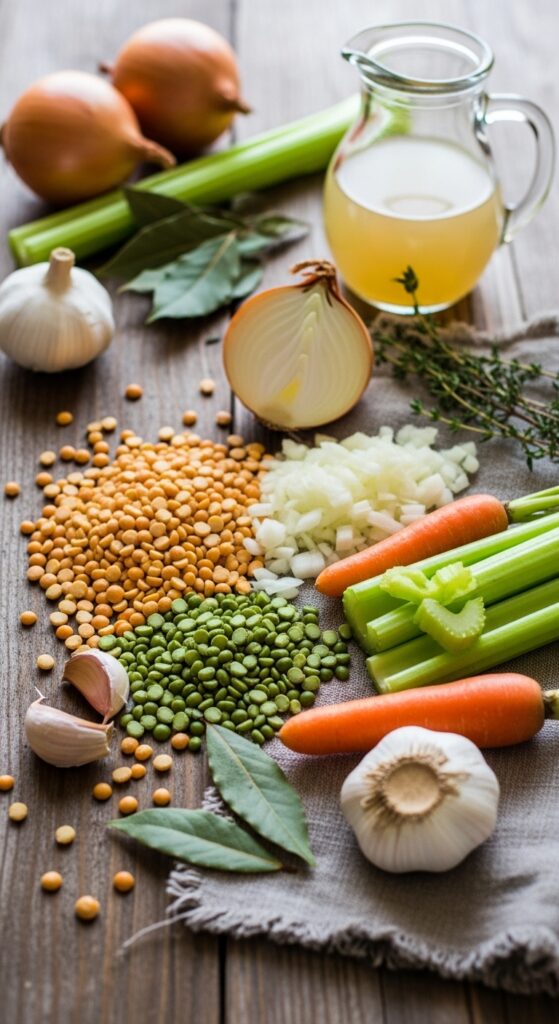
Good soup starts with good ingredients. Luckily, this recipe keeps it simple:
Essentials:
- Split peas – green or yellow, rinsed and sorted
- Onion – sweet and aromatic
- Carrots – add subtle sweetness
- Celery – classic flavor base
- Garlic – for depth
- Broth – vegetable, chicken, or beef for richer flavor
- Ham hock or smoked ham/bacon – optional but recommended
- Bay leaf & thyme – essential aromatics
- Salt & pepper – to taste
You really don’t need anything fancier than this. The magic happens in the simmer.
Choosing the Right Split Peas
Not all peas are created equal. If you want that perfectly creamy texture, pick your peas carefully.
- Green split peas – earthy flavor, hold shape well
- Yellow split peas – slightly sweeter, creamier consistency
FYI: I usually go with green peas because they balance smoky meat and veggies beautifully.
Prepping the Veggies
Chop your onions, carrots, and celery into bite-sized pieces. You don’t need perfection here this is rustic soup, not a food magazine shoot.
- Onions – roughly diced
- Carrots & celery – small chunks for even cooking
- Garlic – finely minced
Pro tip: A pinch of salt on the chopped veggies can help pull out their natural sweetness.
Building the Flavor Base
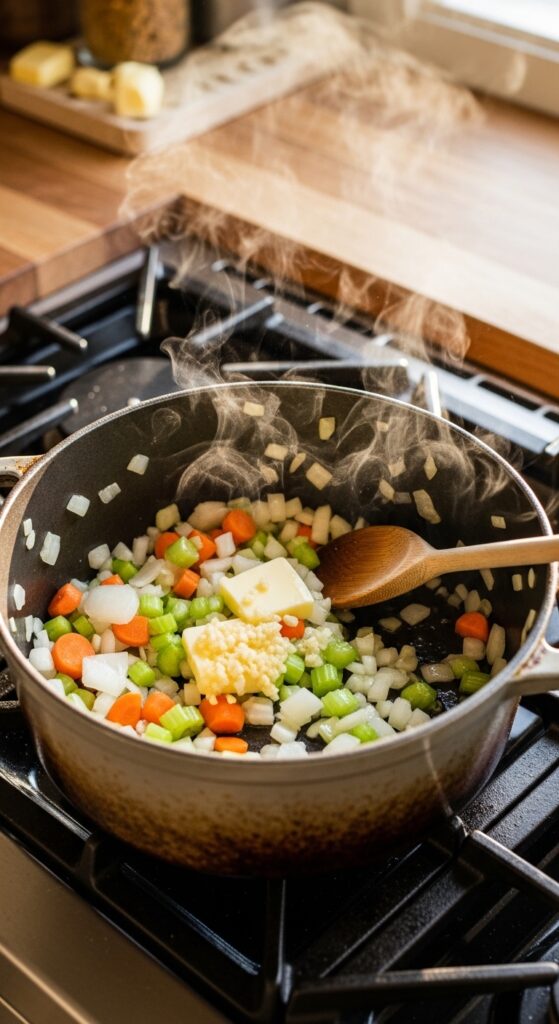
Start by sautéing the onion, carrot, and celery in a little oil or butter. Let them soften and release their aroma. This step is small but critical it’s where flavor begins.
Add garlic last so it doesn’t burn. Trust me, burnt garlic is a tragedy you don’t want in your soup.
Adding the Peas and Broth
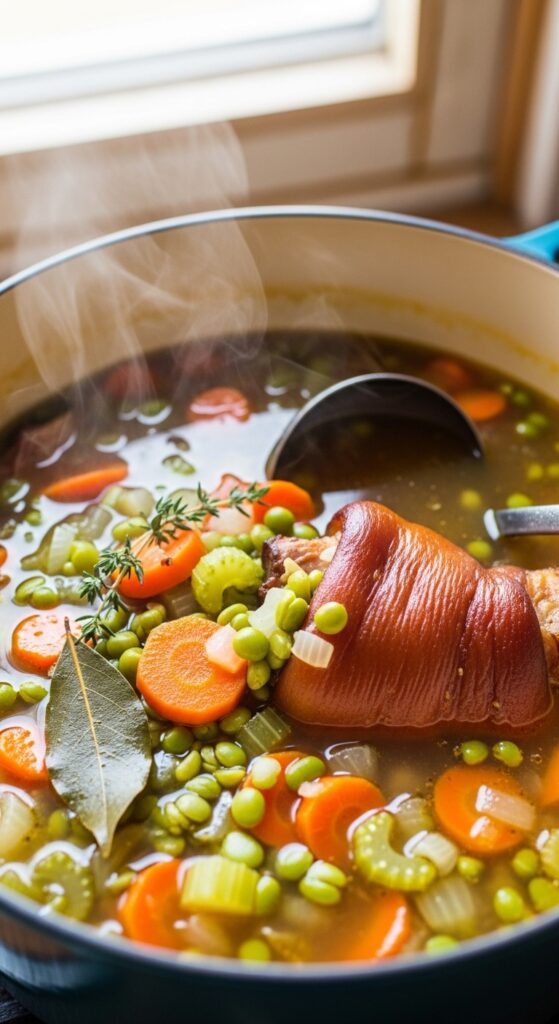
Once your aromatics smell amazing, it’s time for the peas and broth. Pour them in, bring everything to a gentle boil, and then reduce to a simmer.
- Simmer low and slow – this allows peas to soften fully and flavors to marry
- Add herbs – bay leaf and thyme are essential for depth
- Include meat – ham hock or bacon adds smoky richness
Ever noticed how soups taste better the next day? That’s flavor marriage happening overnight.
Cooking Time and Patience
Here’s the tricky part: patience. Split peas take 45–60 minutes to cook fully. Stir occasionally to prevent sticking. The peas will break down and thicken the soup naturally.
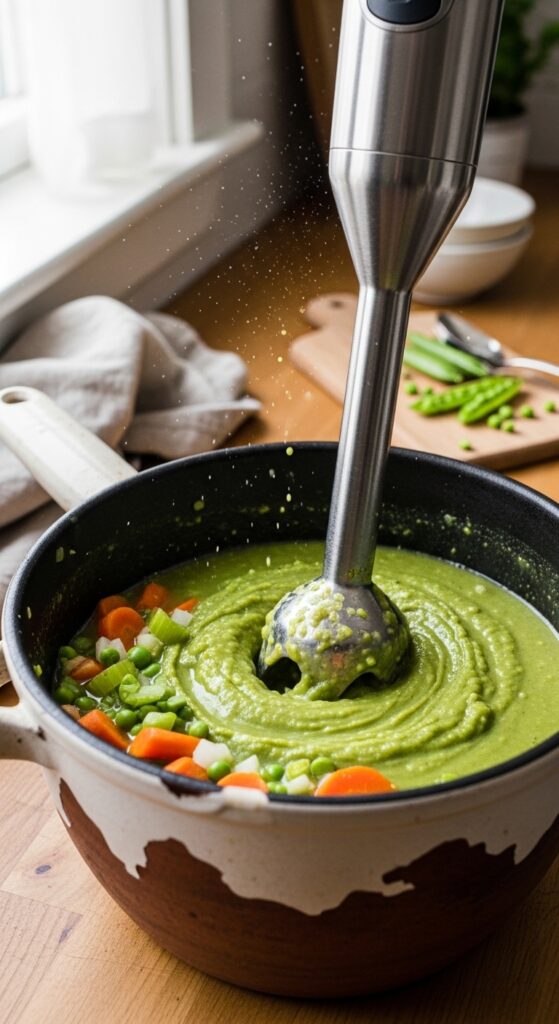
Pro tip: If you like super smooth soup, use an immersion blender for a few quick pulses at the end.
Adjusting Consistency
Depending on your preference, you can adjust:
- Too thick? Add more broth or water
- Too thin? Simmer a few more minutes uncovered
Remember, this soup is supposed to coat a spoon. Don’t be shy with thickness.
Seasoning Like a Pro
Seasoning is everything. Taste early and often.
- Salt – enhances flavor
- Pepper – adds warmth
- Optional extras – smoked paprika, a dash of mustard, or a sprinkle of fresh parsley
Even small tweaks make a huge difference in depth and character.
Optional Add-Ins
Want to get fancy or change things up? Split pea soup is incredibly flexible.
- Potatoes – add creaminess
- Parsnips – earthy sweetness
- Leeks – soft onion flavor
- Lentils – for extra protein
I personally like sticking with classic carrots and celery, but feel free to experiment.
Vegan or Vegetarian Version
No meat? No problem. You can skip the ham and use vegetable broth. Add smoked paprika or liquid smoke for that subtle smoky punch.
- Optional: Mushrooms or roasted red peppers add umami depth.
You’d be surprised how satisfying a plant-based split pea soup can be.
Common Mistakes to Avoid
Even experienced cooks mess this up sometimes. Here’s what to watch out for:
- Not rinsing peas – leads to gritty texture
- Boiling too hard – peas break down unevenly
- Under-seasoning – bland soup is sad soup
- Adding salt too early with ham – can over-salt the final dish
A little attention here saves a lot of disappointment.
How to Make It Ahead
Split pea soup improves with time. Make it a day ahead if you can. Refrigerate in an airtight container and reheat gently on the stove.
- Flavors meld overnight
- Texture thickens naturally
- Freezes beautifully for up to 3 months
It’s a perfect meal prep hero.
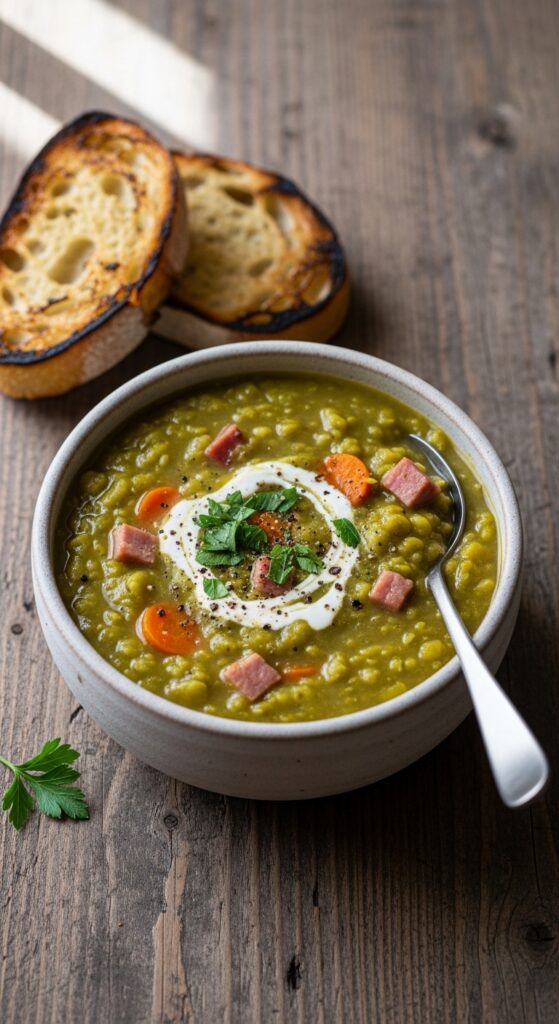
Serving Suggestions
Presentation and pairing matter even for humble soups. Here’s how I do it:
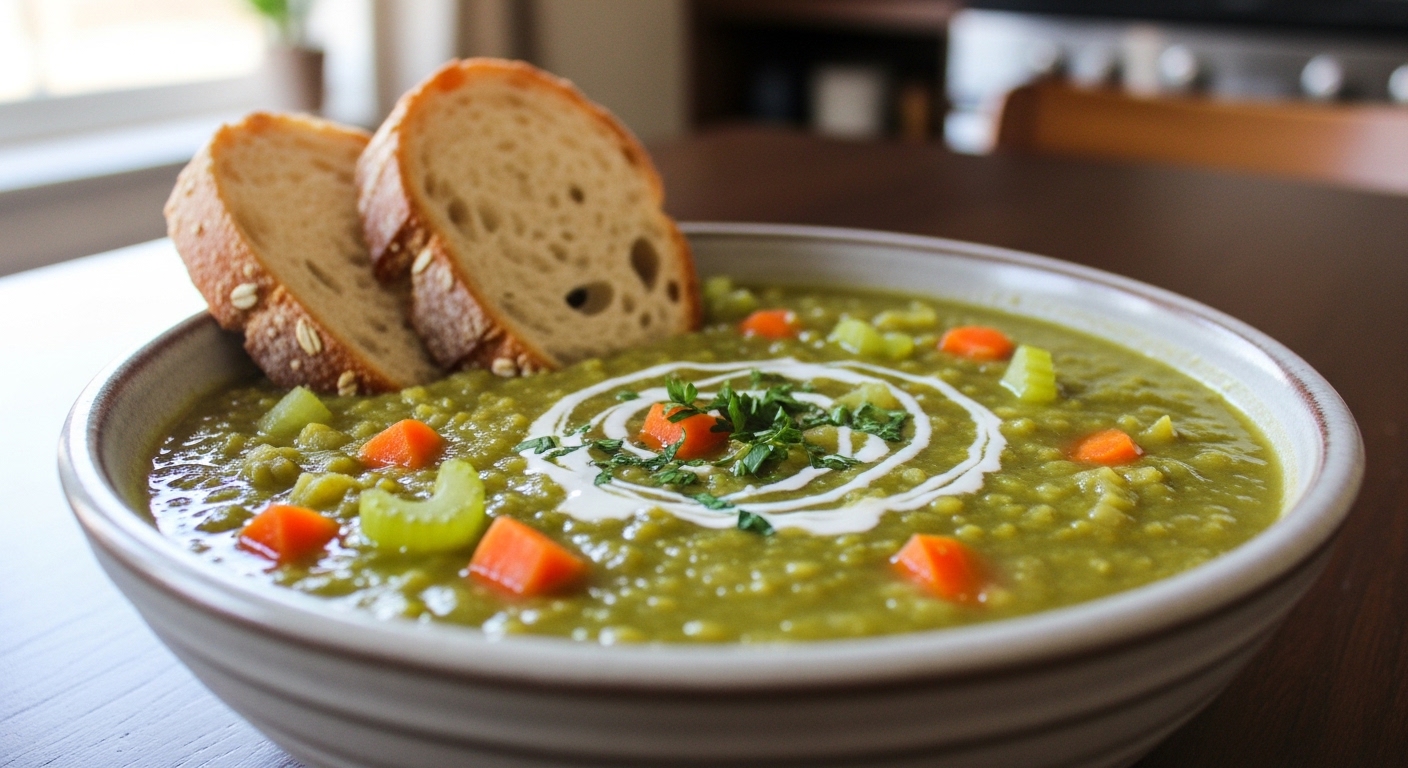
- Serve with crusty bread for dipping
- Add a swirl of cream or yogurt for visual appeal
- Sprinkle fresh herbs like parsley or thyme
- Top with crispy bacon bits if you went meaty
Instantly makes your bowl feel restaurant-worthy.
Homemade vs Store-Bought
Yes, canned split pea soup exists, and yes, it’s convenient. But homemade wins every time:
- Flavor – fresh peas, herbs, and aromatics shine
- Texture – naturally creamy, never watery
- Control – you choose salt, spice, and add-ins
Once you taste homemade, you’ll never go back.
Budget-Friendly Comfort
Split peas are cheap, pantry-friendly, and filling. You can make a huge pot for pennies, feed a crowd, and still have leftovers.
- Economical – dried peas are super cheap
- Healthy – packed with protein and fiber
- Filling – one bowl keeps you satisfied
Comfort food without the guilt or price tag yes, please.
Split Pea Soup for Every Season
Though it feels like winter food, split pea soup is surprisingly versatile.
- Winter – warming and hearty
- Spring – lighter with fresh herbs
- Summer – serve slightly chilled or thin with extra broth
- Fall – add roasted root vegetables for depth
It’s basically a year-round superstar.
Quick Recap
Let’s simplify this masterpiece:
- Sauté aromatics (onion, carrot, celery, garlic)
- Add split peas, broth, herbs, and optional ham
- Simmer 45–60 minutes until peas are soft
- Adjust consistency and seasoning
- Optional: blend for smooth texture
- Serve with bread or toppings
Boom. Perfect split pea soup every time.
Final Thoughts
This split pea soup recipe is proof that humble ingredients can become extraordinary with patience and care. Creamy, hearty, and full of flavor, it’s a soup that satisfies both body and soul.
So grab your peas, a ham hock if you like, and some aromatics. Simmer slowly, season wisely, and savor every spoonful. And remember: leftovers are even better the next day. Your future self will thank you 🙂
Homemade split pea soup isn’t just food it’s comfort in a bowl. And once you master this, you’ll wonder why you ever bought it canned. Happy cooking!