Transfusion Drink Recipe: Easy, Refreshing Cocktail
Let’s talk about a drink that quietly wins hearts without screaming for attention. The transfusion drink doesn’t rely on flashy colors, exotic syrups, or bartenders juggling flaming bottles. It simply shows up, tastes ridiculously refreshing, and somehow fits almost every casual occasion. I’ve ordered this drink on hot afternoons, lazy weekends, and once after a very questionable round of golf and honestly, it never disappoints.
If you’ve never tried one, you’re in for a surprisingly pleasant discovery. If you already love it, you probably wonder why more people don’t talk about it. Ready to break it down together?
What Exactly Is a Transfusion Drink?
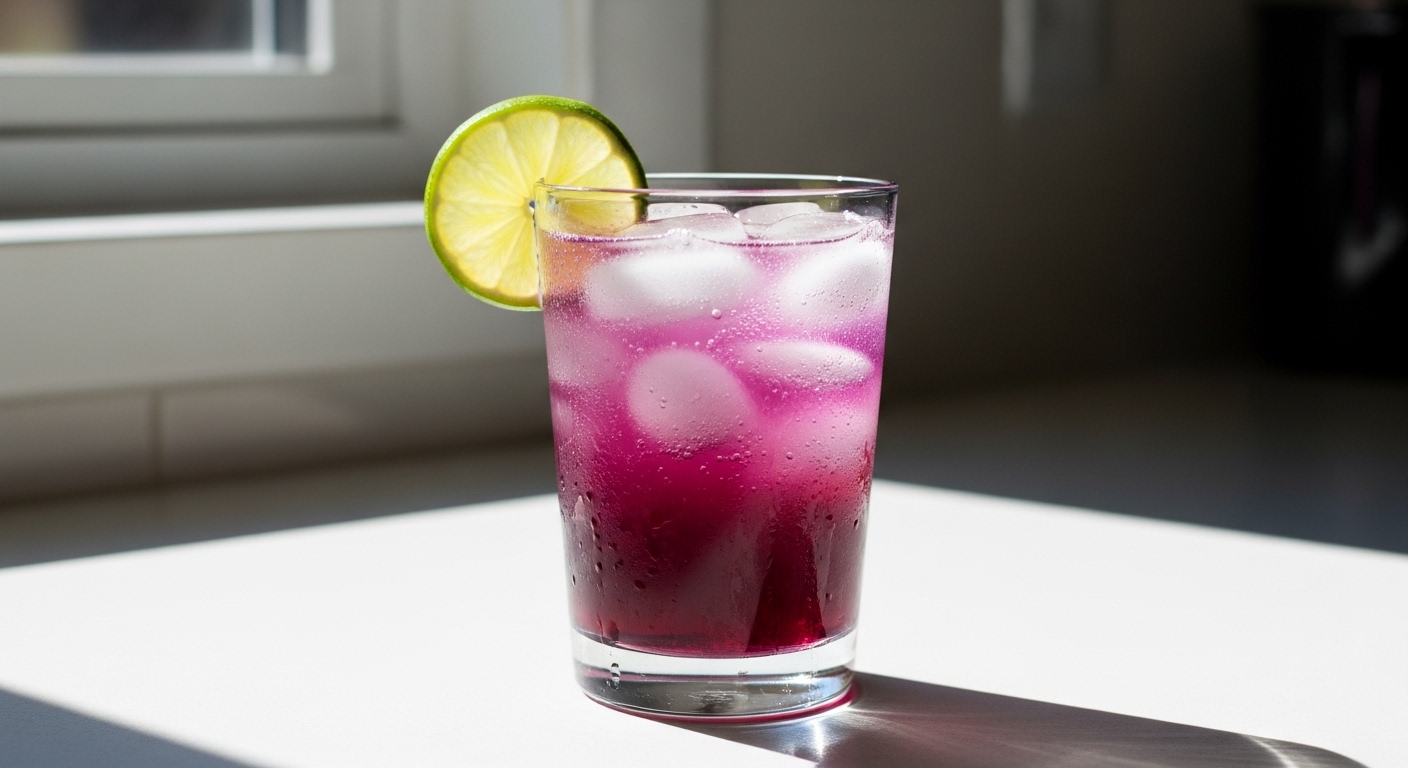
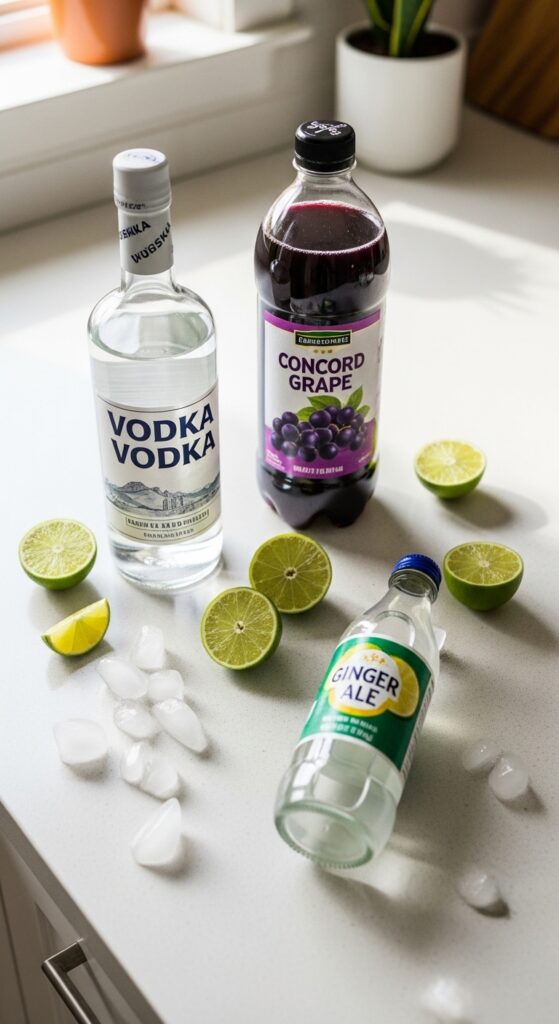
At its core, the transfusion drink keeps things simple and clean. Bartenders typically combine vodka, grape juice, and ginger ale, then pour everything over ice. That’s it. No overcomplication, no drama, no ingredient list that reads like a chemistry experiment.
The magic lies in the balance. The vodka brings structure, the grape juice adds sweetness and body, and the ginger ale injects sparkle and a subtle bite. Ever noticed how rare that perfect sweet-tangy-fizzy harmony feels? This drink nails it.
Why People Instantly Like It
Some cocktails demand an acquired taste. The transfusion drink doesn’t play that game. Most people enjoy it from the very first sip, which honestly feels like a small miracle in the cocktail world.
Several things make it incredibly approachable:
- Smooth flavor profile – No harsh burn or overwhelming bitterness
- Light and refreshing – Perfect for warm weather or daytime drinking
- Not overly sweet – Unlike many juice-heavy drinks
- Easy to customize – You can tweak it without ruining it
I always describe it as “effortlessly drinkable.” That sounds fancy, but you get the idea.
The Flavor Experience (Yes, It Matters)
Let’s slow down for a second, because the taste deserves attention. The first sip usually hits with cool, fruity sweetness from the grape juice. Right behind that, the ginger ale slides in with gentle spice and bubbles.
The vodka never dominates if you mix it correctly. Instead, it quietly ties everything together. Have you ever tasted a drink that feels crisp yet slightly indulgent at the same time? That’s the vibe here.
A Quick Backstory – Where Did It Come From?
The transfusion drink carries strong associations with golf culture, especially in the United States. Golfers embraced it as a post-round refresher, which makes sense once you taste it. Long hours under the sun practically beg for something cold, fizzy, and easygoing.
No dramatic origin story exists, though. Nobody claims ancient secrets or legendary inventors. The drink simply evolved through bar culture, which honestly feels refreshing in a world obsessed with overhyped cocktail mythology.
Classic Transfusion Drink Recipe
Let’s keep things practical. You don’t need a professional bar setup to make a great transfusion drink. You only need a few basic ingredients and a glass.
Ingredients
- 1.5 oz vodka
- 2 oz grape juice (preferably concord grape juice)
- Ginger ale to top
- Ice
Instructions
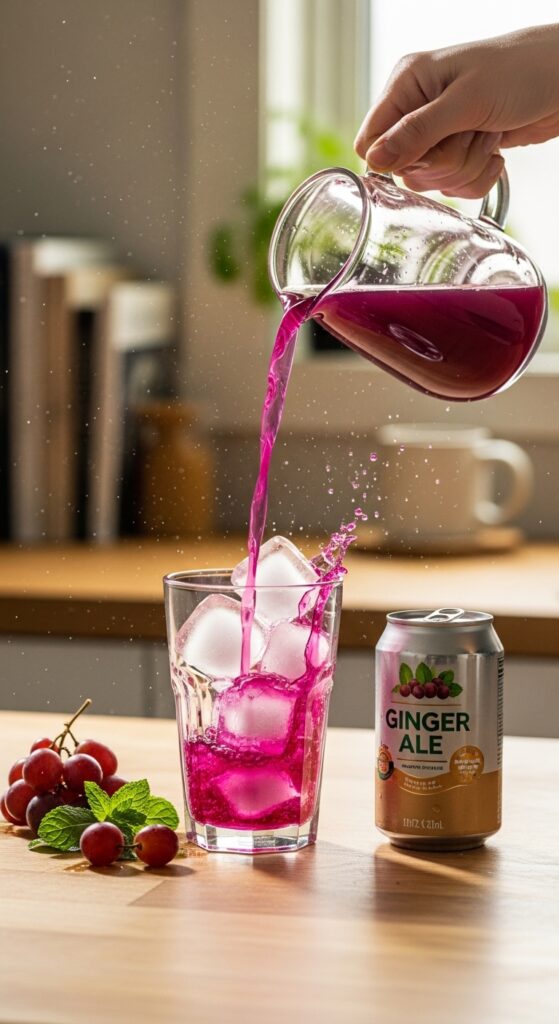
- Fill a glass with ice.
- Pour the vodka over the ice.
- Add grape juice.
- Top with ginger ale.
- Stir gently and enjoy.
See how painless that looks? No cocktail shaker theatrics required.
Choosing the Right Vodka
Vodka seems neutral, but quality still matters. A rough, low-grade vodka can flatten the drink or introduce unwanted harshness. I learned this lesson the hard way after one budget experiment. Let’s just say my taste buds filed a complaint.
Look for vodkas that taste clean and smooth. Mid-range options usually work beautifully. You don’t need luxury pricing, but avoid anything suspiciously cheap.
Grape Juice – The Underrated Hero
People often underestimate this ingredient. The grape juice determines much of the drink’s personality. Cheap, overly sugary juice can turn your cocktail into a sticky mess.
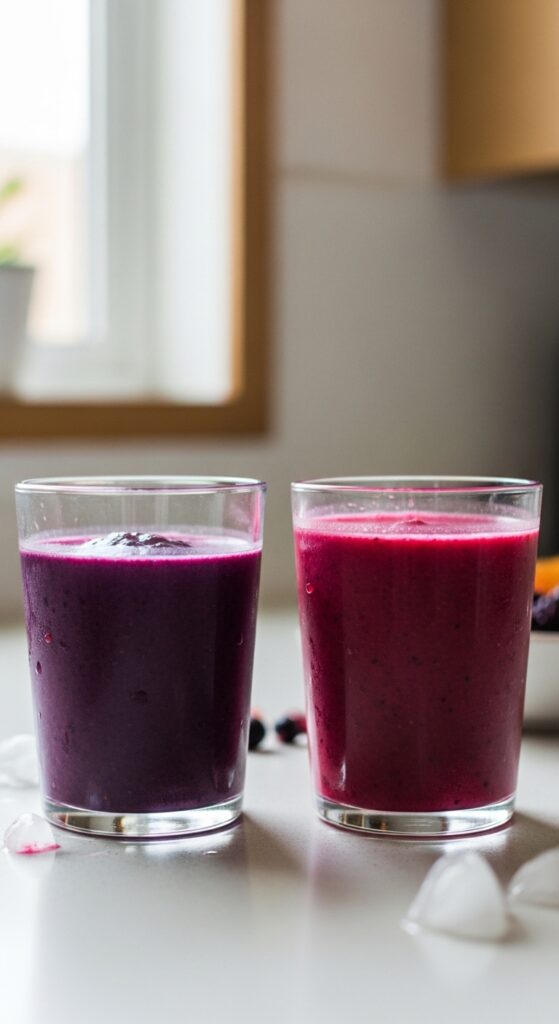
I always recommend concord grape juice. It delivers richer flavor and deeper fruitiness. Ever tried the drink with fresh, high-quality juice? The difference feels shocking.
Ginger Ale vs Ginger Beer – Yes, There’s a Difference
This choice changes the drink’s character more than you might expect. Ginger ale offers mild sweetness and gentle bubbles. Ginger beer punches harder with spice and intensity.
Here’s how they compare:
- Ginger Ale – Light, smooth, subtle ginger notes
- Ginger Beer – Bold, spicy, sharper kick
IMO, beginners usually enjoy ginger ale more. Ginger beer creates a more adventurous version for those who crave extra bite.
Why the Drink Works So Well in Warm Weather
Some cocktails feel heavy or overly boozy under the sun. The transfusion drink avoids that trap. Its fizzy structure and fruity brightness keep everything light and cooling.
Picture a scorching afternoon. Now imagine sipping something cold, crisp, and slightly sparkling. See why golfers fell in love with it?
Easy Variations You Should Try
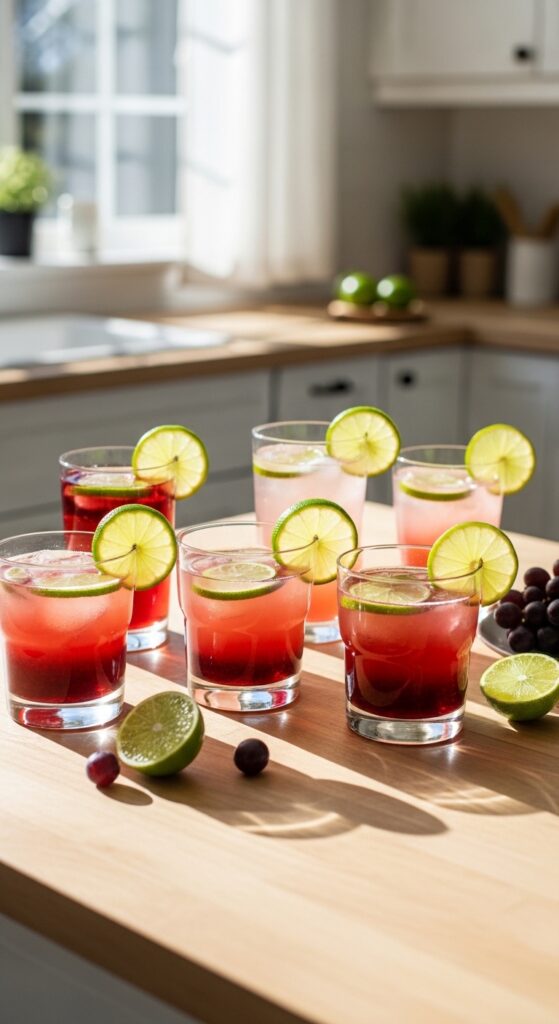
One of my favorite things about this drink involves its flexibility. Small tweaks create noticeably different experiences without wrecking the balance.
Citrus Boost
Add a squeeze of lime or lemon. The acidity sharpens the drink and reduces sweetness. I love this version on particularly hot days.
Ginger Beer Upgrade
Swap ginger ale for ginger beer. Expect stronger spice and a more assertive finish.
Berry Twist
Mix in a splash of cranberry juice. The added tartness creates extra depth.
Experimentation here feels low-risk and high-reward.
Making a Non-Alcoholic Version
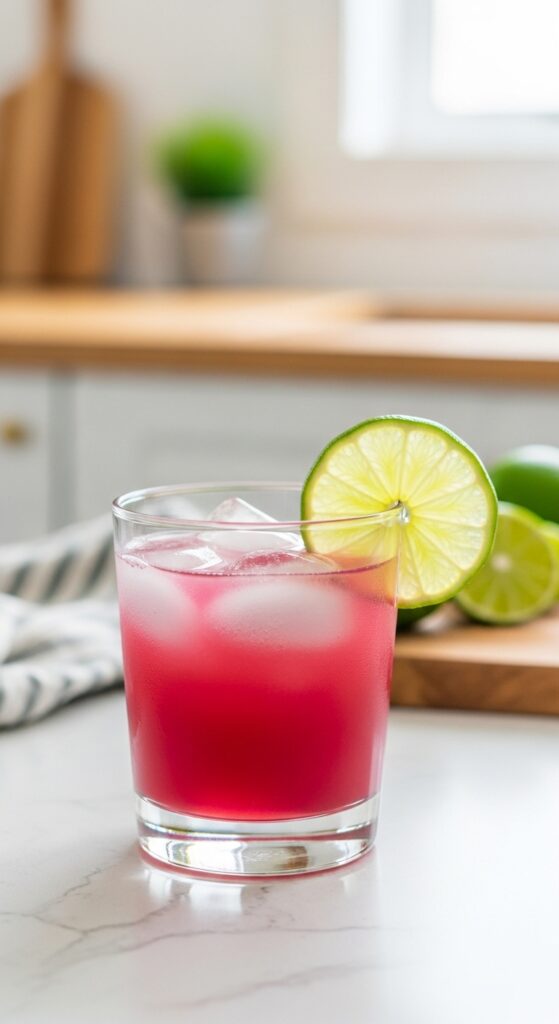
Not everyone wants alcohol, and that’s perfectly fine. The drink adapts easily into a mocktail without losing its refreshing charm.
Simply skip the vodka and increase the grape juice slightly. Top with ginger ale as usual. You still get bubbles, fruitiness, and that crisp finish.
Honestly, it tastes great either way.
Common Mistakes That Ruin the Drink
Even simple cocktails suffer from poor execution. The transfusion drink forgives many errors, but a few mistakes still derail it.
Avoid these pitfalls:
- Too much vodka – Overpowers the balance
- Low-quality juice – Creates artificial sweetness
- Flat ginger ale – Kills the refreshing sparkle
- No ice – Reduces crispness and structure
Ever tasted a watery, lifeless cocktail? That usually starts with bad ice management.
Glassware – Does It Actually Matter?
Technically, you can use any glass. Practically, certain choices enhance the experience. Highball or Collins glasses work beautifully because they showcase bubbles and maintain dilution control.
Wide glasses flatten carbonation faster. Tall glasses preserve that lively fizz. Small details often create noticeable differences.
When Should You Serve a Transfusion Drink?
People often associate it with golf, but limiting it to the course feels unfair. The drink thrives in countless casual settings.
It shines during:
- Backyard gatherings
- Summer parties
- Relaxed dinners
- Brunches
- Poolside lounging
Basically, any moment that calls for something light and refreshing.
The Drink’s Social Appeal
Some cocktails intimidate guests. Others spark curiosity. The transfusion drink lands squarely in the second category.
People usually ask, “What’s in that?” After one sip, they often request another. That reaction never gets old 🙂
Why It Stays Under the Radar
Despite its charm, the transfusion drink rarely enjoys mainstream spotlight. Trendy mixology culture often favors complex creations with exotic ingredients and dramatic presentation.
Meanwhile, this drink quietly delivers consistent satisfaction. Flashy competitors grab attention, while reliable performers like this one wait patiently in the background. Slightly unfair, right?
Pairing It With Food
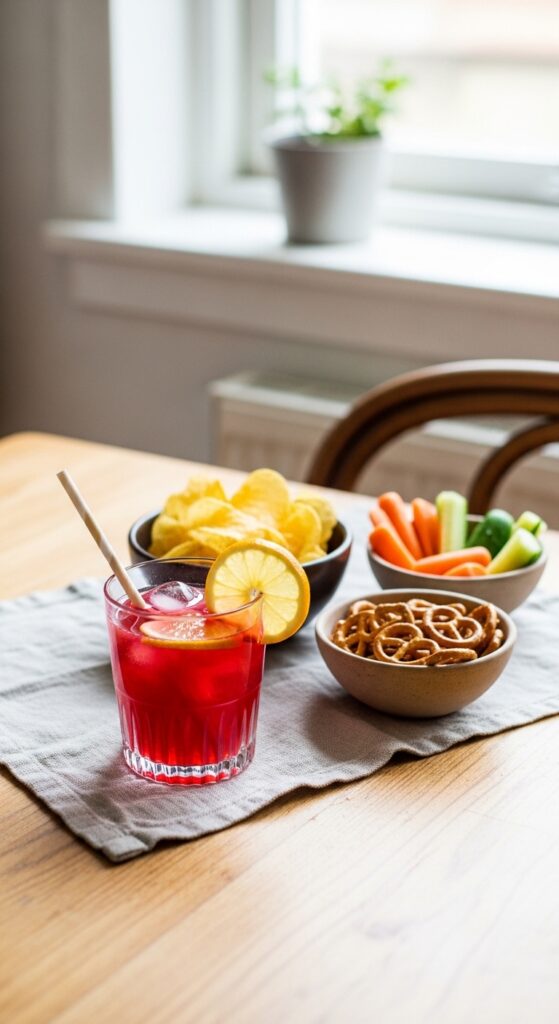
The drink’s light, fruity nature pairs surprisingly well with many dishes. Heavy, creamy meals sometimes clash with strong cocktails, but the transfusion drink handles variety nicely.
It complements:
- Grilled foods
- Salty snacks
- Light appetizers
- Fried dishes
- Spicy foods
That crisp ginger finish cuts through richness effortlessly.
The Psychology of Refreshing Drinks
Let’s geek out briefly. Carbonation, acidity, and moderate sweetness often signal refreshment to the brain. The transfusion drink checks all those boxes.
Bubbles stimulate, fruit flavors comfort, and chilled temperature amplifies perceived freshness. No wonder it feels so satisfying after physical activity or heat exposure.
Adjusting Sweetness Levels
Taste preferences vary wildly. Some people love sweeter drinks, while others prefer sharper profiles. Fortunately, you can tweak sweetness without disrupting structure.
Reduce grape juice for a drier version. Add citrus for extra brightness. Increase ginger ale for softer sweetness.
Customization feels effortless.
Hosting Tip – Batch Preparation
Planning a party? Mixing drinks individually can quickly become annoying. Batch preparation saves time and sanity.
Combine vodka and grape juice in advance. Store the mixture chilled. Add ginger ale only when serving to preserve carbonation.
Simple strategy, huge convenience.
The Drink’s Reputation Among Enthusiasts
Cocktail enthusiasts often appreciate complexity, yet many secretly adore simple classics. The transfusion drink earns quiet respect because it proves that minimalism can still deliver depth and enjoyment.
Not every great drink needs smoke, foam, or twelve ingredients. Sometimes, balance wins.
Final Thoughts
The transfusion drink offers something rare: simplicity, versatility, and genuine refreshment. It doesn’t overwhelm, confuse, or demand specialized skills. It simply tastes good, which honestly feels like a radical concept in modern cocktail culture.
Next time you want something crisp and easygoing, give it a shot. Worst-case scenario, you discover a drink you mildly enjoy. Best-case scenario, you find a new favorite.
And let’s be honest who doesn’t love finding a low-effort winner? FYI, your future self might thank you.